


In the ancient science of Ayurveda, the universe is composed of five elements: ether, air, fire, water, and earth. These elements combine to form three fundamental energies, or doshas, that govern all physiological and psychological functions in our bodies. While many are familiar with the fiery Pitta or the airy Vata, understanding the grounding and stabilizing force of kapha dosha is essential for achieving true holistic health. Comprised of the earth and water elements, Kapha provides the body with structure, lubrication, and the serene strength needed to navigate life’s challenges with grace and stability.
Understanding Kapha: The Principle of Structure and Lubrication
Kapha is the energy that forms our body’s physical structure—bones, muscles, and fat—and provides the protective fluid that lubricates our joints, lines our stomach, and moisturizes our skin. Think of Kapha as the nourishing force that holds everything together. Its qualities, or gunas, are a direct reflection of its elemental makeup.
- Heavy (Guru): Provides stability and strength.
- Slow (Manda): Responsible for a calm demeanor and methodical approach.
- Cool (Hima): Balances the heat of Pitta and the movement of Vata.
- Oily (Snigdha): Ensures smooth functioning of joints and tissues.
- Smooth (Shlakshna): Contributes to soft skin and well-formed physical features.
- Dense (Sandra): Gives substance and solidity to the body.
- Stable (Sthira): The source of endurance, loyalty, and patience.
When Kapha is in balance, we feel strong, supported, and emotionally secure. It is the dosha of love, compassion, and contentment. This contrasts with the other doshas; for a comprehensive overview, you can explore our guide on understanding Tridosha in Ayurveda. A balanced Kapha gives us the stamina to see projects through to completion and the emotional resilience to offer unwavering support to others.

The Kapha Constitution (Prakriti): Strengths and Qualities
Your unique constitution, or Prakriti, is determined at conception and represents your natural state of balance. Individuals with a dominant Kapha constitution embody its stable and nurturing qualities. Recognizing these traits can help you understand your inherent strengths and potential areas of imbalance.
Physical Characteristics of Kapha Prakriti
Physically, Kapha types are blessed with strength and endurance. They typically have a well-developed, sturdy frame, though this can also predispose them to weight gain. Their features are often soft and rounded.
- Build: Strong, solid, and stocky build.
- Skin: Thick, smooth, oily, and often pale or cool to the touch.
- Hair: Abundant, thick, lustrous, and often wavy.
- Eyes: Large, calm, and attractive with thick lashes.
- Stamina: Excellent physical endurance and steady energy levels.
- Appetite: Consistent but not overwhelming. They enjoy food but can easily skip a meal.
Mental and Emotional Characteristics
Emotionally, Kapha individuals are the bedrock of society. They are naturally calm, patient, and loving. Their stable nature makes them incredibly reliable friends, partners, and parents.
- Temperament: Peaceful, compassionate, and easy-going.
- Memory: They may be slow to learn but have excellent long-term memory.
- Emotional Response: Not easily angered, forgiving, and loyal.
- Sleep: Tend to sleep soundly and for long periods.
Understanding your inherent nature is the first step towards wellness. You can delve deeper into this concept by reading about Prakruti in Ayurveda.
Signs of Kapha Imbalance (Vikriti)
When the heavy, slow, and cool qualities of Kapha become excessive, they can lead to stagnation in both the body and mind. This state of imbalance is known as Vikriti. Recognizing the early signs is crucial for restoring balance before more serious issues arise. An imbalance in Kapha feels like a state of heaviness, congestion, and inertia.
Physical Symptoms of Excess Kapha
On a physical level, excess Kapha manifests as an accumulation of mucus, water, and fat. The body’s systems become sluggish and bogged down.
- Chronic congestion, sinus problems, and allergies.
- Sluggish metabolism and easy weight gain.
- Water retention and bloating.
- Excessive mucus production in the chest and throat.
- Lethargy, sluggishness, and feeling tired even after a full night’s sleep.
- A feeling of heaviness in the limbs and stomach.
- Oily skin and hair.
Mental and Emotional Symptoms
Mentally, an aggravated Kapha can cloud the mind and dampen the spirit. The natural stability of Kapha can turn into stubbornness and resistance to change.
- Brain fog and mental dullness.
- Lack of motivation and procrastination.
- Emotional attachment, possessiveness, and greed.
- A tendency towards emotional eating.
- Sadness, complacency, or mild depression.
- Difficulty letting go of people, possessions, or the past.
The Root Causes of Kapha Aggravation
Kapha imbalance doesn’t happen overnight. It’s typically the result of prolonged exposure to lifestyle and dietary habits that increase its heavy, cool, and damp qualities. The spring season, with its cool and wet weather, is also a time when Kapha is naturally more likely to become aggravated.
- Dietary Factors: Consuming an excess of heavy, oily, and sweet foods like dairy, fried foods, processed sugars, and red meat. Overeating, especially in the evening, is a primary culprit.
- Lifestyle Choices: Living a sedentary life with little to no exercise. Oversleeping, especially sleeping in late or taking naps during the day, significantly increases Kapha.
- Environmental Influences: Spending time in cold, damp, or cloudy weather can provoke Kapha.
- Emotional Patterns: Holding onto emotions, unresolved grief, and being overly sentimental can lead to emotional and physical stagnation.
Understanding these triggers is key. For example, the triggers for Kapha are very different from those that aggravate the fire element, which you can learn about in our guide to Pitta symptoms.
Ayurvedic Diet to Pacify Kapha Dosha
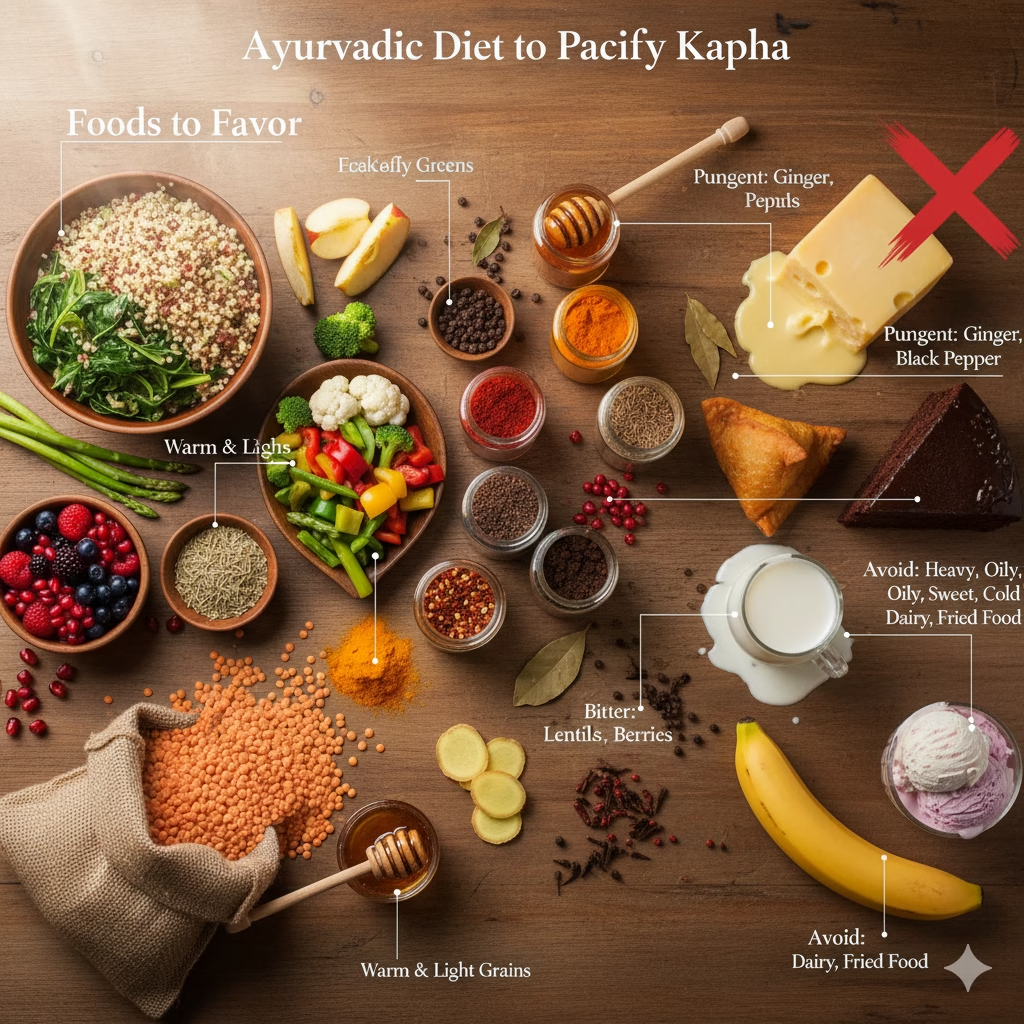
The primary principle for balancing Kapha through diet is to introduce qualities that are opposite to it: light, dry, and warm. Favoring foods with pungent, bitter, and astringent tastes helps to stimulate digestion, reduce mucus, and promote detoxification.
Foods to Favor
Think of your diet as a way to create energy and lightness. Focus on fresh, whole foods that are easy to digest.
- Tastes: Pungent (chili, ginger), Bitter (leafy greens, turmeric), and Astringent (lentils, apples).
- Grains: Opt for lighter grains like barley, millet, quinoa, corn, and rye. Reduce intake of heavy grains like wheat and oats.
- Vegetables: Almost all vegetables are good, especially when cooked. Emphasize leafy greens, broccoli, cauliflower, celery, bell peppers, and asparagus.
- Fruits: Choose less sweet and more astringent fruits like apples, pears, berries, pomegranates, and cranberries.
- Legumes: All beans and lentils are excellent as their astringent quality helps to dry excess Kapha.
- Spices: Be generous with spices! Ginger, black pepper, cayenne, turmeric, cumin, and cinnamon are all fantastic for stimulating metabolism and warming the body. This approach differs greatly from the one needed for balancing Pitta in the human body, which requires cooling spices.
- Sweeteners: The only recommended sweetener for Kapha is raw, unpasteurized honey, taken in moderation (no more than one tablespoon per day).
Foods to Reduce or Avoid
To reduce Kapha, you must minimize foods that are heavy, oily, cold, and overly sweet, sour, or salty.
- Dairy: Milk, cheese, yogurt, and ice cream are highly Kapha-aggravating due to their heavy and mucus-forming nature. A little goat’s milk is sometimes acceptable.
- Heavy Fruits: Bananas, avocados, pineapples, oranges, and melons should be limited.
- Oils and Fats: Minimize the use of all oils. When cooking, use small amounts of warming oils like mustard or sunflower oil.
- Nuts and Seeds: Heavy and oily, nuts and seeds should be consumed sparingly. Pumpkin and sunflower seeds are the best options.
- Cold Food and Drinks: Avoid iced beverages, refrigerated leftovers, and frozen foods. Always consume food and drinks that are warm or at room temperature.
Lifestyle Adjustments for a Balanced Kapha
Beyond diet, your daily routine (dinacharya) plays a vital role in keeping Kapha in check. The key is to invite stimulation, movement, and warmth into your day.
Embrace an Active Routine
Routine is grounding, but for Kapha, it needs to be an active, invigorating routine.
- Wake Early: Aim to wake before 6 AM, during the Vata time of day, which is light and mobile. This helps you avoid the sluggishness of the Kapha time (6-10 AM).
- Regular, Vigorous Exercise: This is non-negotiable for balancing Kapha. Aim for at least 30-60 minutes of heart-pumping activity daily. Running, cycling, hiking, dancing, and vigorous forms of yoga (like Vinyasa or Ashtanga) are excellent.
- Avoid Daytime Napping: Sleeping during the day severely increases the heavy quality of Kapha and should be avoided.
- Seek New Experiences: Break out of ruts. Try a new hobby, take a different route to work, or listen to upbeat music. Challenge the mind and body to stay engaged and active.
Stimulating Self-Care Practices
Your self-care rituals should be energizing and detoxifying.
- Dry Brushing (Garshana): Before showering, use a raw silk glove or a dry brush to vigorously massage your entire body towards the heart. This stimulates lymphatic drainage, improves circulation, and combats lethargy.
- Warm Oil Massage (Abhyanga): Use a minimal amount of a light, warming oil like sesame or mustard oil for your self-massage. Follow with a warm shower to allow the oil to penetrate and cleanse.
- Stay Warm and Dry: Kapha types are sensitive to cold and damp. Dress in layers, use a sauna or steam room if available, and enjoy the warmth of a fireplace in winter.
Herbal Support for Kapha Management
Ayurveda offers a rich pharmacy of herbs that can support the body’s natural ability to balance Kapha. These herbs often possess warming, drying, and lightening properties that counteract Kapha’s inherent qualities.
- Trikatu: This classic Ayurvedic formula is a blend of three pungent herbs: ginger, black pepper, and long pepper (pippali). It is a powerful digestive stimulant that ignites agni (digestive fire) and burns away excess Kapha and toxins (ama).
- Punarnava: Known for its diuretic properties, Punarnava is excellent for managing water retention and supporting healthy kidney and liver function. It helps to flush out excess fluid that contributes to Kapha-related swelling and heaviness.
- Guggulu: This detoxifying resin has a scraping action on the body’s channels (srotas), helping to clear accumulations of fat and toxins. It is widely used in formulas for weight management and cholesterol support.
- Turmeric: A common kitchen spice with profound medicinal benefits. Its warming and anti-inflammatory properties help to dry up mucus, support the immune system, and improve circulation.
Incorporating these herbs, under the guidance of a qualified practitioner, can provide a significant boost to your Kapha-balancing efforts. Understanding the full scope of the three doshas, including Vata and Pitta, can provide more context. You can start by learning Vat Pit Kaf Kya Hai?
Conclusion
Balancing kapha dosha is a journey of embracing lightness, warmth, and dynamic movement. While its heavy, stable nature provides the foundation for strength and compassion, an excess can lead to physical and mental stagnation. By adopting a Kapha-pacifying diet rich in pungent, bitter, and astringent foods, and committing to a vigorous and stimulating daily routine, you can counteract this tendency towards inertia. Remember to wake early, move your body with joy, and challenge your mind with new experiences. By consciously reducing the heavy, cold, and damp influences in your life, you unlock the beautiful qualities of a balanced Kapha: unwavering love, profound endurance, and a deep sense of inner peace and contentment.
FAQ
Q1) Can I ever eat sweet foods on a Kapha-pacifying diet?
Ans. Yes, but with awareness. The sweet taste is nurturing, but Kapha types should choose their sweets wisely. Raw, unpasteurized honey (in moderation) is the best choice as its heating quality helps balance Kapha. Naturally sweet fruits like cooked apples or berries are preferable to heavy, processed desserts, refined sugar, and cold sweets like ice cream. The key is to enjoy them occasionally, preferably around midday when digestion is strongest.
Q2) What is the best time of day for Kapha types to exercise?
Ans. The ideal time for a Kapha individual to exercise is in the morning, between 6 AM and 10 AM. This is the Kapha time of day, when the qualities of heaviness and slowness are most prevalent in the environment and within us. Engaging in vigorous exercise during this window directly counteracts this natural sluggishness, builds energy, and sets a positive, dynamic tone for the entire day.
Q3) How does Kapha dosha differ from Pitta dosha?
Ans. Kapha and Pitta are fundamentally different. Kapha, composed of Earth and Water, is cool, heavy, slow, and stable; it governs structure, lubrication, and stability. In contrast, Pitta, made of Fire and Water, is hot, sharp, light, and intense; it governs metabolism, digestion, and transformation. While they share the water element, their primary qualities create opposing forces in the body. You can learn more by understanding Pitta dosha and its fiery characteristics.
Q4) I have a lot of congestion. What’s a quick Ayurvedic tip?
Ans. A simple and highly effective remedy for Kapha-related congestion is a “ginger-honey paste.” Mix half a teaspoon of fresh grated ginger with half a teaspoon of raw honey. Take this mixture 2-3 times a day. The pungent, warming nature of ginger helps to liquefy mucus, while honey’s scraping quality helps to move it out of the system. Additionally, sipping warm water with lemon throughout the day and avoiding all dairy products will provide significant relief.