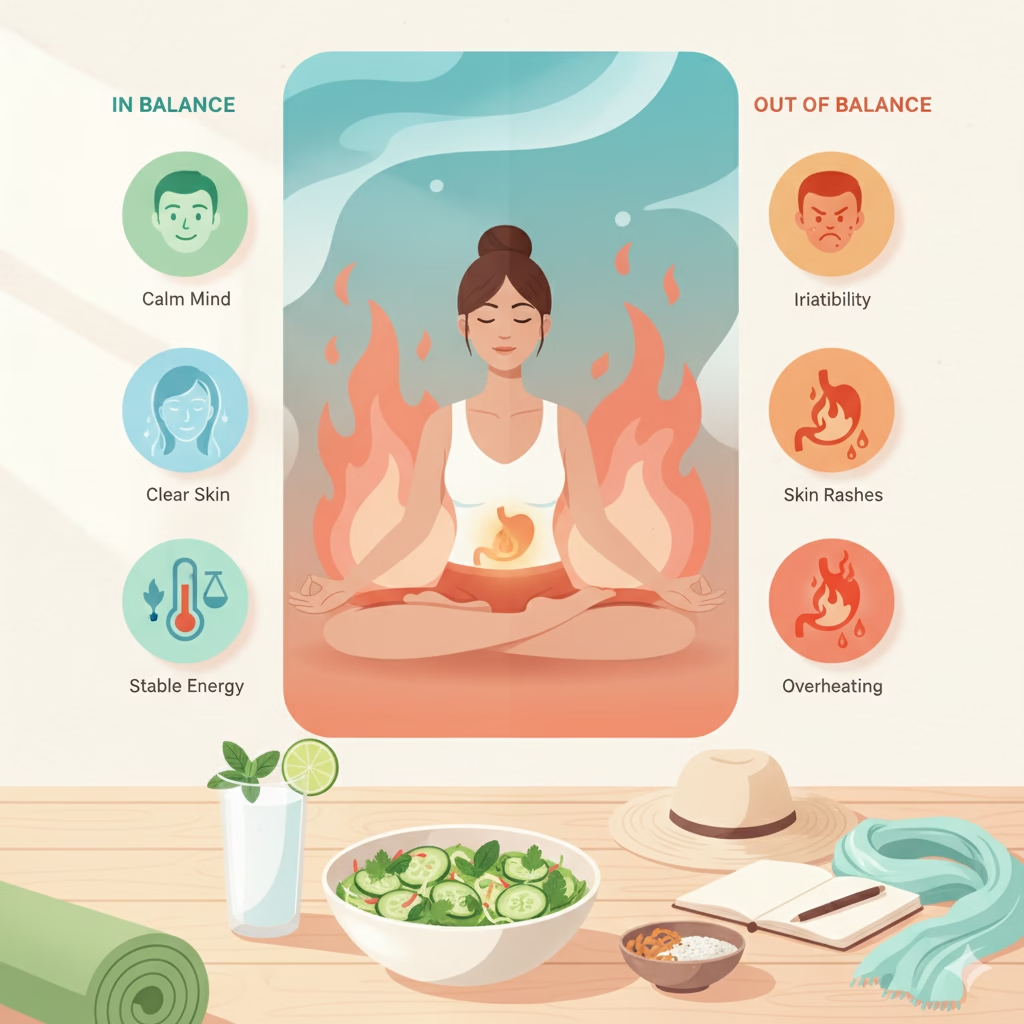


In the ancient science of Ayurveda, maintaining balance within our elemental energies is the key to vibrant health and well-being. Understanding the role of pitta in human body is fundamental to this balance, as this powerful dosha governs all of our metabolic and transformative processes. Composed of the fire and water elements, Pitta is the force of digestion, absorption, and assimilation, not just of food, but of all sensory experiences and emotions. When Pitta is in harmony, we feel focused, intelligent, and energetic. However, when this fiery energy becomes excessive, it can lead to a host of physical and mental challenges, from inflammation and acidity to irritability and burnout.
This comprehensive guide explores the intricate world of Pitta dosha. We will delve into its functions, the characteristics of a Pitta-dominant individual, the signs of imbalance, and most importantly, the Ayurvedic wisdom on how to keep this transformative energy in a state of cool, calm equilibrium. By learning to manage your inner fire, you can unlock a life of clarity, vitality, and inner peace. To get a foundational overview, you might want to read our guide to Pitta in English.
What is Pitta Dosha? The Principle of Transformation
In Ayurveda, the universe and everything in it, including our bodies, are composed of five elements: ether, air, fire, water, and earth. These elements combine to form three fundamental bio-energies, or doshas, known as Vata, Pitta, and Kapha. For a complete understanding of all three, see our explanation of Tridosha in Ayurveda. Pitta dosha is the energetic force primarily made up of the fire (Agni) and water (Jala) elements.
Think of Pitta as the body’s internal fire. It’s the energy that “cooks” or transforms substances. Its primary role is metabolism. This isn’t just about digesting the food you eat; it’s about metabolizing thoughts, emotions, and sensory information from the world around you. The qualities of Pitta reflect its elemental nature: it is hot, sharp, light, liquid, spreading, and slightly oily. These qualities manifest in both the physical body and the mind of a person with a Pitta constitution.
A balanced Pitta dosha provides a sharp intellect, strong digestion, a healthy appetite, and a radiant complexion. It gives us the drive and courage to pursue our goals and the ability to discern right from wrong. When we understand Pitta, we can learn how to harness this powerful energy for optimal health. Learn more in our introductory guide to understanding Pitta dosha.
The Five Subdoshas of Pitta
Pitta dosha is not a single entity but is further divided into five distinct sub-types, or subdoshas. Each subdosha resides in a specific part of the body and governs a unique set of transformative functions. Understanding these is key to pinpointing the root cause of an imbalance.
Pachaka Pitta: The Digestive Fire
Located in the stomach and small intestine, Pachaka Pitta is the primary force of digestion. It’s the “cooking fire” that breaks down food into nutrients that the body can absorb and waste that it can eliminate. Its function is directly related to the strength of your digestive fire, or Agni. When Pachaka Pitta is balanced, digestion is strong and efficient. When it’s imbalanced, it can lead to issues like acid reflux, indigestion, and ulcers.
Ranjaka Pitta: The Color Giver
Residing in the liver, gallbladder, and spleen, Ranjaka Pitta is responsible for the formation of red blood cells and for giving color to the blood and other bodily tissues. The name “Ranjaka” means “that which colors.” It governs the production of bile and various enzymes produced by the liver. An imbalance in Ranjaka Pitta can manifest as jaundice, anemia, or other blood and liver-related disorders.
Sadhaka Pitta: The Emotional Transformer
Sadhaka Pitta is located in the heart and brain. It governs our emotional processing and our ability to “digest” life experiences. It is responsible for transforming emotions into determination, contentment, and spiritual insight. A balanced Sadhaka Pitta brings clarity of mind, courage, and a strong sense of purpose. When imbalanced, it can lead to anger, frustration, heart issues, and an inability to achieve one’s goals (sadhana).
Alochaka Pitta: The Light of Perception
This subdosha resides in the eyes and is responsible for visual perception. Alochaka Pitta governs the function of the retina and the ability to absorb and process light and images. It allows us to see the world clearly, both literally and figuratively. When Alochaka Pitta is in balance, vision is sharp and clear. An imbalance can lead to poor eyesight, bloodshot eyes, or other vision-related problems.
Bhrajaka Pitta: The Lustrous Sheen
Located in the skin, Bhrajaka Pitta governs the color, temperature, and luster of our largest organ. It controls the absorption of substances applied to the skin, like oils and sunlight. A balanced Bhrajaka Pitta results in a healthy, radiant complexion. When it becomes imbalanced, it can cause a range of skin issues. For an in-depth look, explore our article on Pitta on skin, which includes rashes, acne, and inflammation.
The Essential Functions of Pitta in the Body
Beyond its five subdoshas, Pitta as a whole governs a wide array of crucial physiological processes. Its primary function is transformation, which manifests in numerous ways throughout the body and mind.
- Digestion and Metabolism: Pitta controls the entire digestive process, from the enzymes in our stomach to the absorption of nutrients in our intestines. It regulates the metabolic rate of all cells and tissues.
- Body Temperature: As the fire element, Pitta is responsible for maintaining our core body temperature, keeping us warm and ensuring all enzymatic processes function optimally.
- Vision: Through Alochaka Pitta, it governs our ability to perceive light and see the world around us.
- Intellect and Understanding: Pitta governs our cognitive functions. A balanced Pitta provides a sharp, focused, and discerning mind, allowing us to understand and “digest” information effectively.
- Skin Health and Complexion: Bhrajaka Pitta maintains the health, color, and luster of the skin, giving it a vibrant glow.
- Courage and Willpower: On a psychological level, Pitta provides the drive, ambition, and courage to face challenges and achieve our goals.
Identifying a Pitta-Dominant Constitution (Prakruti)
In Ayurveda, everyone is born with a unique combination of the three doshas, known as their Prakruti, or constitution. If Pitta is the most dominant dosha in your constitution, you will exhibit its qualities in your physical build, physiological functions, and personality traits.
Learning about your innate constitution is a powerful tool for self-awareness and preventative health. You can delve deeper into this concept by reading about Prakruti in Ayurveda.
Physical Characteristics of Pitta Types:
- Build: Medium, athletic frame with good muscle definition.
- Weight: Moderate weight that is easy to maintain; they neither gain nor lose weight easily.
- Skin: Fair, sensitive, rosy, or freckled skin that is prone to sunburns, moles, rashes, and acne.
- Hair: Often fine and soft, with a tendency towards premature graying or baldness. Hair color is typically blond, light brown, or red.
- Eyes: Sharp, penetrating eyes, often green, hazel, or light brown.
- Appetite: Strong appetite and digestion; they get “hangry” (hungry and angry) if they miss a meal.
- Body Temperature: Tend to feel warm and may have warm hands and feet. They prefer cool environments.
Mental and Emotional Characteristics of Pitta Types:
- Mind: Sharp, intelligent, and perceptive. They are excellent problem-solvers and leaders.
- Personality: Ambitious, driven, competitive, and highly focused. They are often articulate speakers.
- Under Stress: They can become irritable, impatient, critical, and short-tempered. They are perfectionists and can be hard on themselves and others.
- Sleep: They are generally moderate sleepers but can be light sleepers and may wake up in the middle of the night feeling hot or thirsty.
Signs and Symptoms of Pitta Imbalance
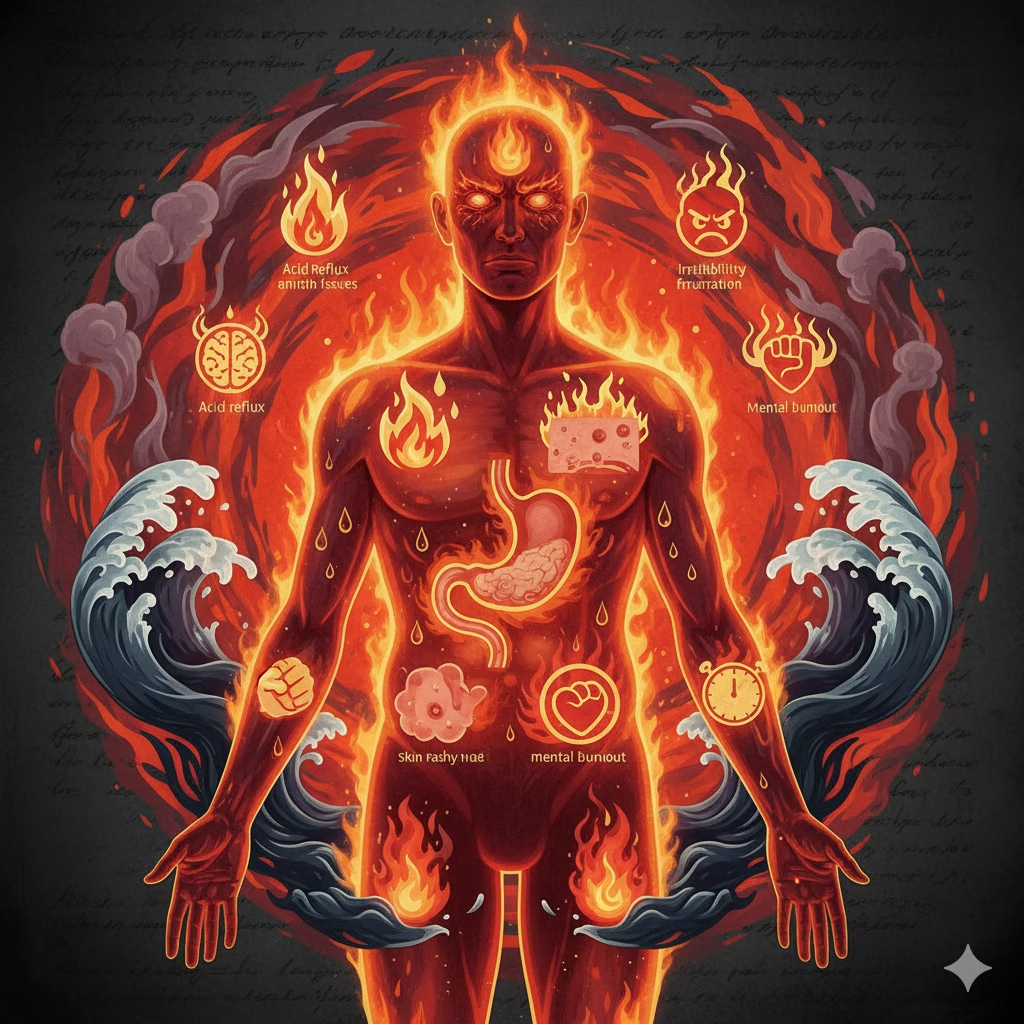
When the hot, sharp, and intense qualities of Pitta dosha increase beyond their normal level, it creates an imbalance known as Pitta aggravation. This excess fire can manifest in a wide variety of physical and emotional symptoms. Recognizing these signs early is the first step toward restoring balance. For a complete list, our guide to Pitta symptoms is an excellent resource.
Physical Symptoms of High Pitta:
- Acid reflux, heartburn, or stomach ulcers.
- Inflammatory conditions in the body (e.g., arthritis, bursitis).
- Skin problems like acne, rashes, eczema, or psoriasis.
- Excessive sweating and a strong, unpleasant body odor.
- Loose stools or diarrhea.
- Red, inflamed, or bloodshot eyes.
- Excessive and insatiable thirst or hunger.
- Sensitivity to heat and a tendency to feel hot all the time.
- Migraines or headaches, especially those centered behind the eyes.
Emotional and Mental Symptoms of High Pitta:
- Irritability, impatience, and a short temper.
- Frustration and anger.
- A critical, judgmental, or perfectionistic attitude.
- Intense, competitive behavior.
- Mental burnout from overworking.
- Jealousy and resentment.
If you recognize several of these signs, known as Pit Dosh Ke Lakshan in Hindi, it is a clear indication that your inner fire needs to be cooled and soothed.
Common Causes of Increased Pitta
Pitta dosha is aggravated by anything that shares its qualities—hot, sharp, sour, pungent, and intense. Imbalances often arise from a combination of diet, lifestyle, and environmental factors.
- Dietary Choices: Consuming excessive amounts of spicy, sour, salty, fried, or processed foods. Overconsumption of red meat, alcohol, caffeine, and fermented foods can also increase Pitta.
- Environmental Factors: Prolonged exposure to hot weather or excessive sun can quickly aggravate Pitta.
- Lifestyle Habits: A high-stress, competitive lifestyle with long working hours and insufficient downtime is a major cause. Skipping meals can also provoke Pitta’s sharp hunger.
- Emotional Stress: Repressed anger, unresolved conflicts, and constant pressure to perform can keep the internal fire burning too high.
Ayurvedic Strategies to Balance Pitta Dosha
The core principle for pacifying Pitta is to introduce cooling, calming, and moderating influences into your life. The goal is not to extinguish the fire but to manage it so it can function optimally without causing harm. It’s about finding the “sweet” spot—both literally and figuratively.
Pitta-Pacifying Diet
Food is one of the most powerful tools for managing the doshas. To cool Pitta, favor foods that are sweet, bitter, and astringent in taste.
- Fruits: Choose sweet fruits like melons, grapes, berries, cherries, coconut, and ripe mangoes. Reduce sour fruits like citrus.
- Vegetables: Favor cooling vegetables such as cucumber, zucchini, broccoli, cauliflower, leafy greens, and sweet potatoes. Minimize pungent vegetables like hot peppers, raw onions, and radishes.
- Grains: Barley, white rice (especially basmati), oats, and wheat are excellent choices.
- Proteins: Favor plant-based proteins like mung beans, chickpeas, and tofu. If eating animal protein, choose chicken or turkey over red meat.
- Dairy: Milk, ghee (clarified butter), and cottage cheese are cooling. Avoid aged cheeses, yogurt, and sour cream.
- Oils and Spices: Use cooling oils like coconut, sunflower, and ghee. Embrace cooling spices like coriander, cilantro, fennel, cardamom, and mint. Reduce hot spices like cayenne, chili, and mustard seed.
Cooling Lifestyle Modifications
How you live your day is just as important as what you eat. Adopting a lifestyle of moderation and calm can significantly reduce excess Pitta.

- Practice Moderation: Avoid extremes in work and exercise. Pitta types tend to push themselves too hard, so consciously schedule downtime and relaxation.
- Stay Cool: Avoid excessive heat and sun exposure. Exercise during the cooler parts of the day, like the early morning or evening.
- Connect with Nature: Spend time near water, walk in a lush green forest, or gaze at the moon. These activities have a naturally cooling and calming effect.
- Cooling Exercise: Choose non-competitive and relaxing forms of exercise like swimming, leisurely walking or biking, and gentle yoga (avoid hot yoga).
- Daily Oil Massage (Abhyanga): Before your shower, massage your skin with cooling coconut or sunflower oil to soothe the nervous system and calm the skin.
- Aromatherapy: Use calming and cooling essential oils like sandalwood, rose, jasmine, and lavender in a diffuser or on your pulse points.
Conclusion
Pitta dosha is the brilliant, transformative fire within us that fuels our digestion, sharpens our intellect, and drives our ambition. While essential for life, this fiery energy requires careful management to prevent it from burning out of control. By understanding its qualities and recognizing the early signs of imbalance, you can make conscious choices in your diet and lifestyle to keep it calm and balanced. Embracing a cooling, moderate, and sweet approach to life allows you to harness the best of Pitta’s qualities—clarity, courage, and vitality—while fostering a state of inner peace and lasting health. A great starting point is our guide on how to stay cool and balanced.
FAQ
Q1) What are the main foods that aggravate Pitta?
Ans. Foods that are pungent (spicy), sour, and salty will increase Pitta. This includes hot peppers, cayenne, raw onions, garlic, vinegar, fermented foods (like sour cream and aged cheese), pickles, excessive salt, and acidic fruits like grapefruit and unripe pineapples. Caffeine and alcohol are also highly aggravating to Pitta.
Q2) Can stress cause a Pitta imbalance?
Ans. Absolutely. Pitta is highly sensitive to mental and emotional stress. High-pressure situations, tight deadlines, competition, and feelings of anger or frustration directly increase Pitta in the body. This is why stress management techniques like meditation, spending time in nature, and practicing non-competitiveness are crucial for balancing Pitta.
Q3) What is the best time of day for a Pitta person to exercise?
Ans. The best times for a Pitta-dominant individual to exercise are during the cooler parts of the day. This means early in the morning or in the early evening. Exercising in the middle of the day, especially between 10 AM and 2 PM when the sun (and internal Pitta) is at its peak, can easily lead to overheating and aggravation.
Q4) How do I know if my primary dosha is Pitta?
Ans. You can get a good idea by observing your long-term physical, mental, and emotional tendencies. If you have a medium build, a sharp intellect, get easily irritated when stressed, have strong digestion, and prefer cooler weather, you likely have a significant amount of Pitta in your constitution. For a deeper analysis, you can read our guide on Prakruti in Ayurveda or consult with an Ayurvedic practitioner.