


In the ancient science of Ayurveda, understanding your unique mind-body constitution, or Prakriti, is the first step toward achieving vibrant health and inner harmony. This blueprint, determined at conception, is composed of three fundamental energies or doshas: Vata, Pitta, and Kapha. For those with a dominant pitta prakriti, life is experienced through the lens of transformation, fire, and intensity. This constitution is governed by the elements of Fire (Tejas) and a small amount of Water (Jala), creating a powerful force that drives digestion, metabolism, and perception. Embracing your Pitta nature means learning to channel its fiery energy constructively while keeping its potential for overheating in check, leading to a life of purpose, clarity, and balance.
What Exactly is Pitta Dosha?
Pitta is the principle of transformation and metabolism in the body. Think of it as the body’s inner fire. While Vata governs movement and Kapha provides structure, Pitta is responsible for all chemical and metabolic processes. It’s the energy that breaks down the food you eat, digests thoughts and experiences, and allows you to perceive the world with clarity. Understanding its qualities is key to managing its influence.
The Core Qualities (Gunas) of Pitta
Ayurveda describes Pitta through its inherent characteristics. It is:
- Hot (Ushna): This quality gives Pitta its warmth, strong appetite, and fiery temperament.
- Sharp (Tikshna): Responsible for a sharp intellect, penetrating ideas, and a sharp tongue when imbalanced.
- Light (Laghu): Not in weight, but in its nature. This contributes to a focused and discerning mind.
- Oily (Snigdha): This can manifest as oily skin and hair but also contributes to smooth organ function.
- Spreading (Sara): When Pitta is high, its effects (like a rash or inflammation) can spread quickly throughout the body.
- Liquid (Drava): Pitta governs many of the body’s liquid secretions, including digestive enzymes and bile.
These qualities influence everything from your physical build to your personality. The primary role of Pitta is digestion—not just of food, but of all sensory inputs. It is the force that helps you discern right from wrong and metabolize emotions. To learn more about how this energy functions within you, it’s helpful to explore the concept of understanding Pitta dosha in greater detail.
Identifying a Pitta Constitution: Physical Traits
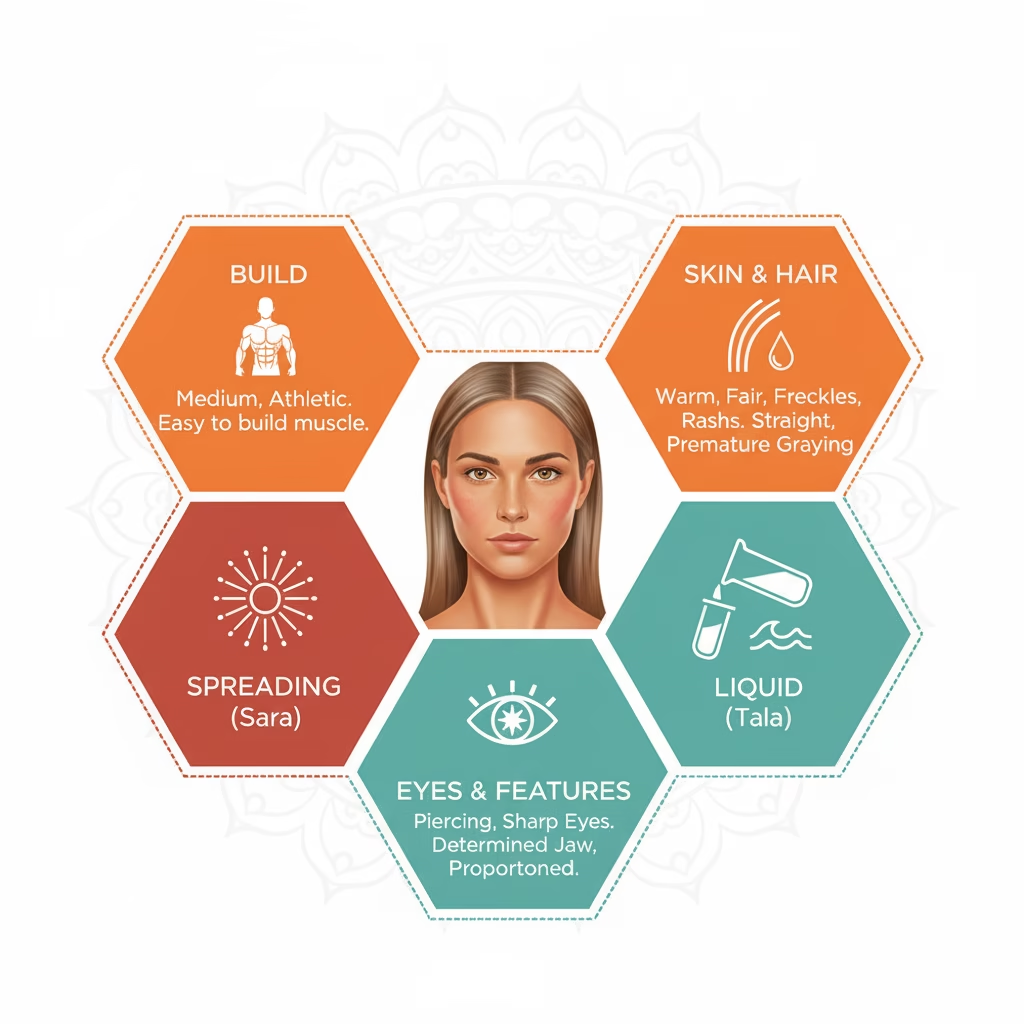
Individuals with a dominant Pitta Prakriti often share a set of distinct physical characteristics. These traits are a direct manifestation of the fiery and oily qualities of the dosha. While everyone is a unique mix of all three doshas, a Pitta-dominant person will likely recognize themselves in the following descriptions.
Body and Build
Pitta types typically have a medium, athletic build. They build muscle with relative ease and maintain a moderate weight, finding it easier than Vata or Kapha types to gain or lose a few pounds. They have good muscular definition and a strong, sturdy frame.
Skin and Hair
The skin of a Pitta individual is often warm to the touch, soft, and may be fair or reddish with a tendency towards freckles, moles, and rashes. The “oily” quality means their skin may be prone to acne, rosacea, or other inflammatory conditions, especially when out of balance. This is why managing Pitta on the skin is a common concern. Their hair is often fine and soft, commonly straight, and may be blonde, red, or light brown. Pitta types are also prone to premature graying or hair loss.
Eyes and Facial Features
Pitta eyes are a defining feature—they are typically medium-sized, piercing, and sharp. They can be light-colored, such as green, hazel, or light brown. A direct, intense gaze is characteristic of a Pitta mind. Their facial features are balanced and well-proportioned, with a determined jaw and a moderately sharp nose.
The Pitta Mindset: Psychological and Emotional Nature
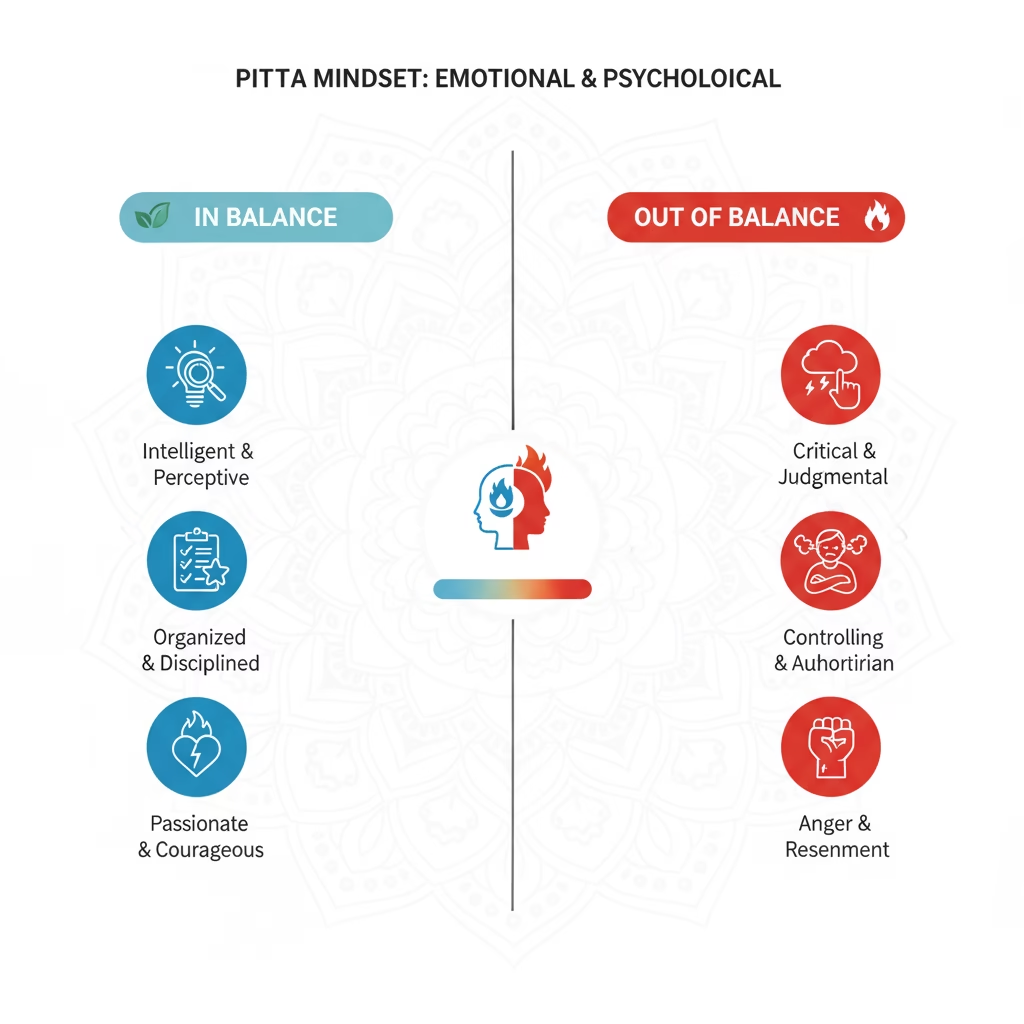
Just as Pitta governs metabolism in the body, it also governs the “digestion” of ideas and emotions in the mind. The mental and emotional landscape of a Pitta individual is as dynamic and powerful as their physical constitution.
When in Balance
A balanced Pitta mind is one of the sharpest and most brilliant. These individuals are:
- Intelligent and Perceptive: They quickly grasp new concepts and have an excellent ability to concentrate and penetrate to the heart of an issue.
- Natural Leaders: Their confidence, ambition, and articulate nature make them effective leaders and public speakers.
- Organized and Disciplined: Pitta types love order and efficiency. They are excellent planners and enjoy creating lists and schedules to achieve their goals.
- Passionate and Courageous: They approach life with zeal and are not afraid to stand up for what they believe in.
When Out of Balance
When the inner fire rages too high, the positive qualities of Pitta can become extreme and manifest as negative traits. An imbalanced Pitta individual may become:
- Critical and Judgmental: Their sharp intellect can turn into a tendency to criticize themselves and others.
- Impatient and Irritable: They may have a short temper and become easily frustrated when things don’t go according to their plan.
- Controlling and Authoritarian: The natural leader can become a domineering boss or an overly demanding friend or partner.
- Prone to Anger and Resentment: “Hot-headed” is a perfect description for an aggravated Pitta. They can be quick to anger and may hold onto grudges.
Recognizing Pitta Imbalance (Vikriti)
It’s crucial to recognize the signs of excess Pitta in your system. Vikriti, or the current state of imbalance, can be managed effectively once identified. Imbalances often flare up during the hot summer months, during middle age (the Pitta stage of life), or after consuming heating foods and drinks. The complete list of Pitta symptoms can be extensive, but they generally fall into physical and emotional categories.
Physical Signs of Excess Pitta
- Acid reflux, heartburn, or stomach ulcers.
- Inflammatory conditions, such as skin rashes, hives, acne, or rosacea.
- Diarrhea or loose, frequent stools.
- Excessive body heat and sweating.
- Inflammation in the joints (arthritis).
- Bad breath and a sour taste in the mouth.
- Intense, insatiable hunger or thirst.
- Sensitivity to light and vision problems.
Emotional Signs of Excess Pitta
- Frustration, irritability, and a short temper.
- Intense feelings of anger or rage.
- Jealousy and envy.
- A judgmental or overly critical mindset.
- Impatience with delays or with people who are slower to act.
- Burnout from overworking and perfectionistic tendencies.
If you recognize these signs, it’s your body’s signal to introduce more cooling, calming, and moderating influences into your life. Learning to recognize the specific Pit Dosh ke Lakshan (signs of Pitta imbalance) is the first step toward restoring harmony.
The Pitta-Pacifying Diet: Cooling Your Inner Fire
Diet is one of the most powerful tools for balancing the doshas. For Pitta, the goal is to counteract its hot, sharp, and oily nature with foods that are cooling, substantial, and a little dry. The key is to favor the sweet, bitter, and astringent tastes while reducing pungent, sour, and salty foods.
Foods to Embrace
Think “cool, calm, and collected” when choosing your meals. These foods will help soothe excess Pitta:
- Sweet Fruits: Ripe grapes, melons, cherries, coconut, avocado, mangoes, and pomegranates.
- Cooling Vegetables: Cucumber, cilantro, broccoli, cauliflower, zucchini, leafy greens (like kale and collards), and sweet potatoes.
- Grains: Basmati rice, oats, quinoa, and barley.
- Legumes: Chickpeas, mung beans, lentils, and black beans are generally good.
- Dairy: Milk, ghee (clarified butter), and cottage cheese are excellent (if well-tolerated).
- Oils and Spices: Use cooling oils like coconut, sunflower, and olive oil. Favor spices like coriander, cardamom, fennel, and mint.
Foods to Reduce or Avoid
These foods can aggravate Pitta’s fiery nature and should be consumed in moderation, especially during hot weather or times of stress.
- Pungent Foods: Hot peppers, raw onions, garlic, radishes, and overly spicy dishes.
- Sour Foods: Sour fruits like grapefruit and unripe pineapple, aged cheeses, vinegar, and fermented foods like sauerkraut.
- Salty Foods: Pickles, salted nuts, and processed foods with high sodium content.
- Stimulants: Coffee, black tea, and alcohol are very heating and can quickly throw Pitta out of balance.
- Red Meat: It is considered heating and difficult to digest.
The goal is not to be rigid but to be mindful. If you have a spicy meal, balance it with a cool cucumber salad or a glass of coconut water. This mindful approach helps keep Pitta in the body explained and managed effectively through diet.
Lifestyle Practices for a Balanced Pitta
Beyond what you eat, how you live your life has a profound impact on your doshic balance. A Pitta-pacifying lifestyle emphasizes moderation, relaxation, and coolness.
Daily Routine (Dinacharya)
Structure and routine can be grounding for Pitta, but it’s important not to become overly rigid. Wake up before the day gets too hot and chaotic. Practice self-massage (abhyanga) with cooling coconut or sunflower oil before showering. Schedule your most demanding mental tasks for the morning when your mind is sharpest, but be sure to build in breaks.
Exercise and Movement
Pitta types have natural athletic ability but can be overly competitive. The best exercises are those that are cooling and calming, rather than those that build excess heat.
- Swimming is the ideal exercise for Pitta.
- Leisurely walks in nature, especially near water or in the moonlight.
- Gentle yoga (avoiding hot yoga or overly strenuous sequences).
- Team sports can be fun, but only if the focus is on camaraderie rather than winning at all costs.
Avoid exercising during the hottest part of the day (10 am to 2 pm).
Stress Management and Relaxation
Because Pitta types are so driven, they are prone to burnout. Actively scheduling downtime is non-negotiable.
- Meditation: A daily meditation practice can cool the mind and help release frustration.
- Spend Time in Nature: Looking at lush greenery, lakes, or the ocean has a profoundly cooling effect on the mind and body.
- Practice Forgiveness: Pittas can hold onto resentment. Consciously practicing letting go can be very liberating.
- Laugh and Play: It’s important to balance intense work with lighthearted fun and laughter.
Ayurvedic Herbs for Pitta Management
Certain herbs possess qualities that are particularly effective at cooling and soothing an overactive Pitta dosha. Integrating these into your routine, often under the guidance of a practitioner, can provide significant support.
- Amalaki (Amla): A powerful antioxidant, Amla is one of the best herbs for Pitta. It’s cooling and helps to cleanse the digestive tract without aggravating the system.
- Neem: Known as a potent blood purifier and anti-inflammatory, Neem is excellent for Pitta-related skin issues.
- Brahmi/Gotu Kola: This herb is famous for its ability to calm the nervous system and cool a hot, agitated mind, promoting clarity and focus.
- Shatavari: While known as a premier female reproductive tonic, Shatavari is also very cooling and soothing for the digestive system, helping to combat issues like heartburn.
- Guduchi (Giloy): A powerful immunomodulator that helps reduce inflammation and fever, making it a tridoshic herb with special benefits for Pitta.
Conclusion
Living with a Pitta prakriti is a gift of sharp intellect, passionate drive, and natural leadership. The key to thriving is not to suppress this inner fire but to manage it wisely. By embracing a cooling diet, a lifestyle of moderation, and stress-reducing practices, you can channel your powerful energy into productivity and joy, rather than letting it burn you out. Understanding your constitution is the ultimate form of self-care, a journey that leads to profound well-being and a deep connection with your true nature. Balancing your Pitta is about finding that perfect sweet spot where you are focused but not frustrated, passionate but not angry, and driven but not depleted.
FAQ
Q1. Can my dosha or prakriti change over time?
Ans. Your fundamental constitution, or Prakriti, is set at birth and does not change. However, your current state of balance, or Vikriti, can and does change frequently based on diet, lifestyle, seasons, and stress. The goal of Ayurveda is to bring your Vikriti back in line with your original Prakriti.
Q2. What is the single most important thing a Pitta person can do to stay balanced?
Ans. While it’s a holistic approach, one of the most impactful practices is to embrace moderation. Pitta types have a tendency to go “all in” on work, exercise, and even arguments. Learning to consciously pull back, take breaks, and not push to the absolute limit is transformative. This applies to everything from a workout to a work project.
Q3. Is coffee really that bad for Pitta types?
Ans. Coffee is heating, acidic, and stimulating—all qualities that increase Pitta. For a Pitta-dominant person, it can easily lead to agitation, acid reflux, and irritability. While a small amount may be tolerated, most Pitta individuals feel much better when they switch to less aggravating alternatives like herbal mint or fennel tea. If you must have coffee, have it with milk and sugar (which are cooling) and never on an empty stomach.
Q4. How does the summer season affect Pitta dosha?
Ans. Summer is the Pitta season. The external environment is hot, sharp, and intense, which naturally increases the Pitta dosha in everyone, but especially in those with a Pitta constitution. During summer, it’s extra important for Pitta types to be diligent with their cooling diet and lifestyle, stay hydrated, and avoid the midday sun to prevent imbalance.