
In the intricate science of Ayurveda, the concept of Doshas forms the cornerstone of understanding individual health and well-being. Among these three fundamental energies – Vata, Pitta, and Kapha – Pitta stands out as the primary force governing metabolism, digestion, and transformation. If you’re looking to delve deeper into pitta ayurveda and unlock the secrets to a balanced, vibrant life, you’ve come to the right place. This fiery dosha, a unique blend of the fire and water elements, dictates not just your physical processes but also your mental clarity and emotional temperament. Understanding Pitta is key to harmonizing your internal environment and achieving optimal health.
Understanding Pitta Dosha: The Fire Within
Pitta, one of the three foundational Doshas in Ayurveda, is literally translated as “that which digests.” It embodies the principles of transformation and is predominantly composed of the fire element, with a secondary influence from water. This potent combination gives Pitta its characteristic qualities: hot, sharp, light, liquid, oily, and spreading. Think of the sun’s intense heat, a sharp knife, or the rapid spread of fire – these images capture the essence of Pitta.
In the body, Pitta is responsible for all metabolic and biochemical transformations. It’s the engine that converts food into energy, processes sensory impressions, and fuels our intellectual comprehension. From the digestion of food in the stomach to the assimilation of nutrients in the intestines, and even the processing of thoughts and emotions, Pitta is constantly at work. Its balanced functioning is crucial for vitality, intelligence, and a healthy glow. To fully grasp this essential energy, explore Understanding Pitta Dosha: Balance Fire and Calm Mind, which delves into its core principles and importance.
A deep understanding of Pitta goes beyond mere physical attributes; it encompasses the very energetic blueprint that defines how we interact with the world and process our experiences. For a comprehensive overview, refer to Pitta in English: Complete Ayurvedic Guide to Balance.
The Functions of Balanced Pitta
When Pitta is in equilibrium, it provides us with numerous benefits, fostering optimal health and a vibrant personality. It’s the force behind our ability to “cook” life experiences and extract wisdom. Here are some of its primary functions:
- Efficient Digestion and Metabolism (Agni) :
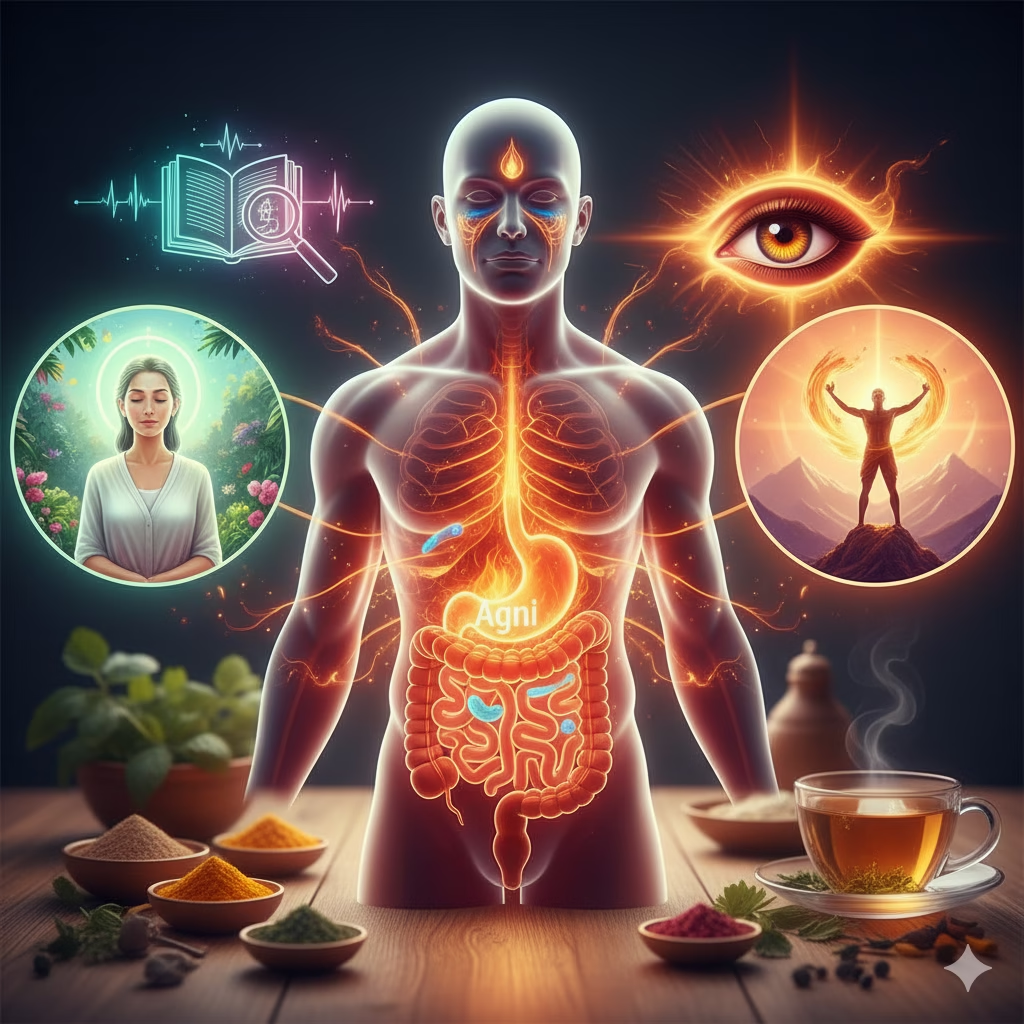
Pitta fuels Agni, the digestive fire, ensuring that food is properly broken down, nutrients are absorbed, and waste products are efficiently eliminated. A balanced Pitta leads to a strong metabolism, consistent energy levels, and ideal body temperature.
- Sharp Intellect and Clear Understanding :
Pitta governs the mind’s ability to comprehend, analyze, and process information. Individuals with balanced Pitta tend to be intelligent, focused, and possess excellent memory. They are often keen observers and quick learners.
- Healthy Skin and Radiant Complexion :
Pitta influences the quality of our skin, giving it a healthy glow and even tone. It regulates blood flow and cellular regeneration, contributing to a clear and vibrant complexion.
- Healthy Skin and Radiant Complexion :
Pitta influences the quality of our skin, giving it a healthy glow and even tone. It regulates blood flow and cellular regeneration, contributing to a clear and vibrant complexion.
- Strong Vision :
The eyes are a primary seat of Pitta. Balanced Pitta supports clear vision and eye health, enabling us to perceive the world with clarity.
- Courage and Drive :
Emotionally, Pitta provides courage, determination, and leadership qualities. A balanced Pitta individual is goal-oriented, confident, and possesses a healthy competitive spirit.
Each of these functions contributes to a holistic sense of well-being, highlighting the extensive reach of Pitta throughout the mind and body. For more information on where Pitta resides and its impact, see Pitta Organ in English: A Simple Ayurvedic Explanation.
Recognizing Pitta Imbalance: Common Symptoms
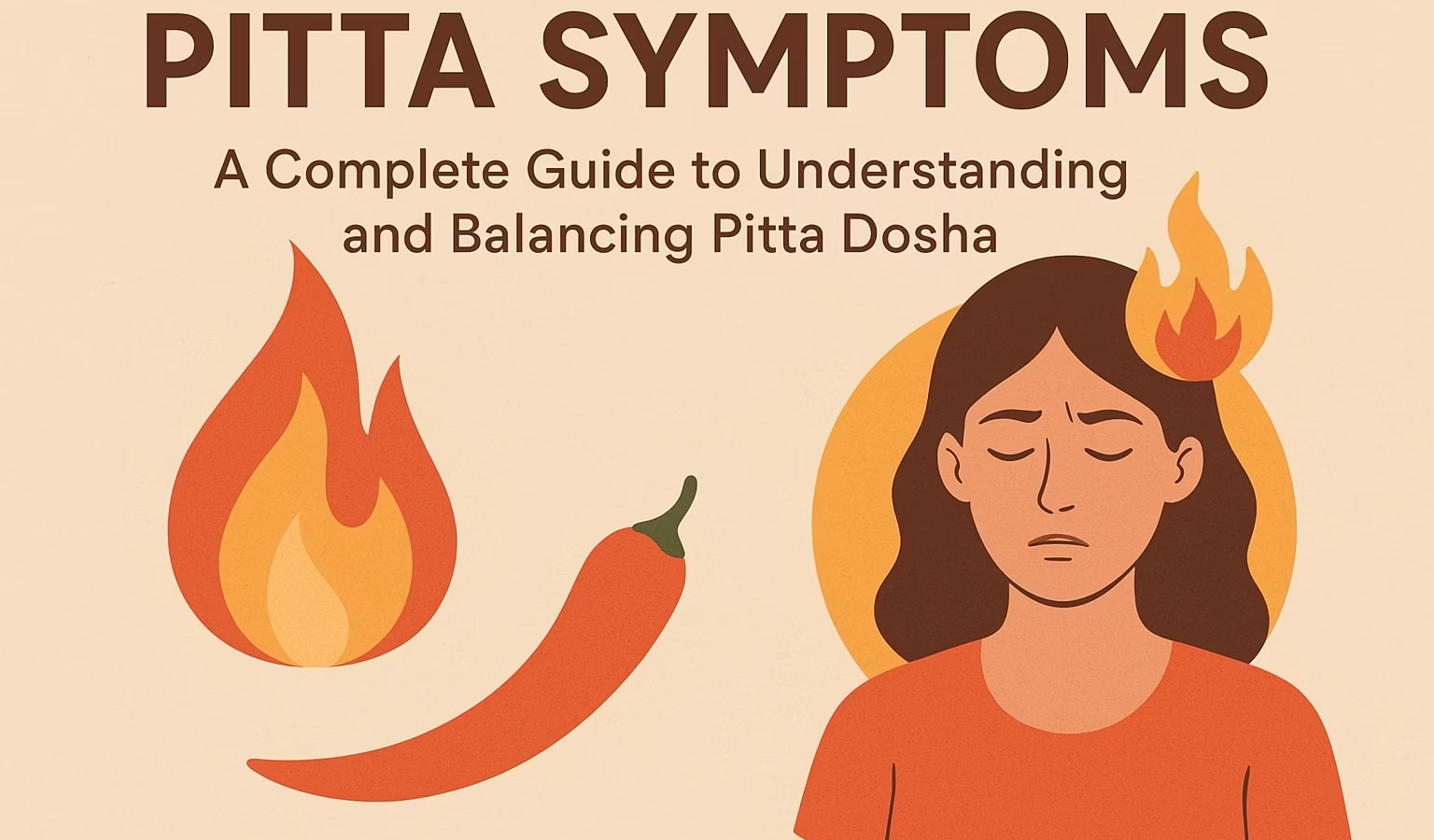
When Pitta accumulates or becomes aggravated, its intense qualities can manifest as various physical and mental symptoms. Recognizing these signs early is crucial for bringing the dosha back into balance. Many of these symptoms are detailed in resources like Pitta Symptoms: A Complete Guide to Understanding and Balancing Pitta Dosha and Pit Dosh Ke Lakshan: 9 Signs of Pitta Imbalance.

Physical Symptoms of Aggravated Pitta
- Digestive Issues :
Excessive stomach acid, heartburn, acid reflux, hyperacidity, peptic ulcers, and loose stools or diarrhea are common indicators. The strong digestive fire becomes too intense, leading to irritation and inflammation in the gastrointestinal tract.
- Skin Conditions :
Pitta imbalances often show up on the skin as rashes, acne, rosacea, hives, eczema, and other inflammatory conditions, especially those accompanied by redness, heat, and itching. Read more about this at Pitta on Skin: Causes, Symptoms & Natural Remedies.
- Excessive Heat :
Feeling hot, excessive sweating, strong body odor, hot flashes, and a general aversion to heat are classic Pitta symptoms. This is due to the increased fire element within the body.
- Inflammation :
Inflammation can occur anywhere in the body, manifesting as arthritis, tendinitis, or other “itis” conditions. Gout, due to increased uric acid (a product of metabolism), can also be a Pitta-related issue.
- Hair and Vision :
Premature greying or balding, as well as bloodshot eyes or poor vision, can signal an excess of Pitta.
Mental and Emotional Symptoms of Aggravated Pitta
- Irritability and Anger :
Short temper, impatience, frustration, and outbursts of anger are hallmark emotional signs of high Pitta. The internal heat translates into fiery emotions.
- Critical and Judgmental Nature :
An overly critical mind, both towards oneself and others, and tendencies towards perfectionism or being overly judgmental, indicate a Pitta imbalance. The sharp quality becomes cutting.
- Intensity and Burnout :
While balanced Pitta provides drive, imbalanced Pitta can lead to excessive ambition, workaholism, burnout, and an inability to relax.
- Competitiveness :
An unhealthy level of competitiveness or a constant need to win, coupled with intolerance towards perceived failures, can also signal an aggravated Pitta.
Causes of Pitta Aggravation
Pitta aggravation often stems from a combination of dietary choices, lifestyle habits, environmental factors, and unaddressed emotional patterns. Understanding these root causes is the first step towards rebalancing this fiery dosha.
Dietary Choices
Consuming too many foods with Pitta-aggravating qualities is a primary culprit. This includes:
- Spicy Foods: Chilies, cayenne pepper, and excessive use of heating spices (though some spices can be balancing in moderation).
- Sour Foods: Vinegar, fermented foods, sour cream, and unripe fruits.
- Salty Foods: Excessive salt intake, processed snacks high in sodium.
- Fried and Oily Foods: Heavy, greasy, and difficult-to-digest items.
- Pungent Foods: Onions, garlic (in large quantities), radishes.
- Caffeine and Alcohol: Both are heating and stimulating, aggravating Pitta.
- Processed and Artificial Foods: These lack vital energy and can overburden the digestive system.
Lifestyle Factors
Our daily routines and choices significantly impact Pitta levels:
- Excessive Heat Exposure: Spending too much time in direct sun, saunas, or hot environments.
- Overwork and Burnout: A demanding schedule, lack of rest, and constant mental exertion can overheat the system.
- Suppressed Emotions: Holding onto anger, frustration, and resentment can internalize heat and inflame Pitta.
- Irregular Meals or Skipping Meals: This can lead to an unstable digestive fire, causing an imbalance.
- Lack of Cooling Activities: Insufficient exposure to nature, relaxation, or calming hobbies.
Balancing Pitta Through Diet
Diet is a powerful tool for pacifying aggravated Pitta. The key is to favor foods that are naturally cooling, sweet, bitter, and astringent, while minimizing those that are hot, sour, salty, and pungent. Thinking “cool, calming, and soothing” will guide your choices.
Pitta-Pacifying Foods to Embrace
Incorporate these foods into your daily diet to help cool and soothe the internal fire:
- Sweet Tastes (Naturally Sweet)Favor naturally sweet foods like ripe fruits (melons, grapes, berries, sweet apples, pears, mangoes), grains (basmati rice, oats, barley, quinoa), and root vegetables (sweet potatoes, carrots). These provide grounding and cooling energy without being excessively heavy.
- Bitter TastesBitter foods are excellent for cleansing and cooling Pitta. Include leafy greens (kale, spinach, dandelion greens), bitter melon, and turmeric (in moderation).
- Astringent TastesAstringent foods have a drying, contracting effect that helps reduce excess moisture and heat. Examples include legumes (mung beans, red lentils), many raw vegetables (broccoli, cauliflower, asparagus), and some fruits (pomegranates, cranberries).
- Cooling and Hydrating FoodsCucumber, zucchini, coconut water, fresh cilantro, mint, and aloe vera are highly beneficial. These help to quench the internal fire and provide hydration.
- Dairy (in moderation)Ghee (clarified butter) is particularly pacifying for Pitta, especially when consumed with meals. Milk, unsweetened lassi, and fresh paneer can also be beneficial, but avoid sour or fermented dairy products.
- Healthy FatsIn addition to ghee, cold-pressed coconut oil, sunflower oil, and olive oil can be used in moderation. These provide lubrication and a cooling effect.
Foods to Minimize or Avoid
To prevent further Pitta aggravation, limit or avoid the following:
- Spicy, Sour, and Salty FoodsReduce chili peppers, cayenne, excess ginger, and other very hot spices. Minimize vinegar, citrus fruits (especially lemons and limes in large quantities), pickles, and heavily salted items.
- Fermented FoodsThese tend to be sour and heating, so reduce intake of yogurt (especially sour varieties), kombucha, and aged cheeses.
- Caffeine and AlcoholBoth are highly heating and stimulating, leading to further Pitta imbalance.
- Red Meat and SeafoodThese tend to be heating and heavy. Opt for lighter proteins like chicken or turkey (in moderation) or plant-based alternatives.
- Processed and Fried FoodsThese are difficult to digest and can lead to toxin accumulation, further inflaming Pitta.
- Excessive Heating SpicesWhile some spices are good, too much black pepper, cloves, mustard seeds, or fenugreek can be aggravating.
Remember to eat in a calm, relaxed environment, and avoid eating when stressed or angry, as these emotions can negatively impact digestion regardless of food choices.
Lifestyle Adjustments for Pitta Harmony
Beyond diet, specific lifestyle practices can significantly contribute to cooling and calming an overheated Pitta. The goal is to cultivate a sense of peace, regularity, and moderation in daily life.
Daily Routine (Dinacharya) for Pitta
- Maintain a Regular SchedulePitta thrives on routine. Try to wake, eat, and sleep at consistent times each day. This helps stabilize the body’s internal clock and prevents digestive fluctuations.
- Cooling Morning PracticesStart your day with gentle activities. A brief session of meditation, deep breathing (pranayama like Sheetali or Sheetkari), or gentle yoga can soothe the mind and body. Anointing the body with cooling oils like coconut or sunflower oil (Abhyanga) before a shower is also highly beneficial.
- Prioritize Rest and SleepEnsure you get adequate, restful sleep, ideally going to bed before 10 PM. Pitta individuals often feel driven to stay up late, but this can lead to burnout and aggravation.
Stress Management and Emotional Balance
- Mindfulness and MeditationRegular mindfulness practices help to observe and diffuse fiery emotions like anger and frustration before they escalate. Meditation is a powerful tool for mental clarity and emotional regulation.
- Spend Time in NatureConnecting with nature, especially bodies of water or lush greenery, has a profoundly cooling and calming effect on Pitta. Take walks in a park, by a lake, or near the ocean.
- Engage in Creative and Non-Competitive HobbiesChannel intense Pitta energy into creative pursuits that don’t involve fierce competition. Painting, gardening, playing music, or writing can be therapeutic outlets.
- Practice Forgiveness and CompassionLearning to let go of grudges, practicing self-compassion, and extending understanding to others can significantly reduce internal heat and emotional turmoil.
Environmental and Sensory Adjustments
- Avoid Excessive Heat ExposureLimit prolonged sun exposure, especially during midday. If you must be outside, wear protective clothing, a hat, and stay hydrated. Opt for cooler exercise environments.
- Choose Cooling Colors and ScentsSurround yourself with calming colors like blues, greens, and whites. Use essential oils with cooling aromas such as sandalwood, rose, jasmine, or mint.
- Wear Breathable FabricsCotton, linen, and silk are excellent choices, allowing the skin to breathe and preventing overheating.
Herbal Support for Pitta Balance
Ayurvedic herbs offer powerful support in pacifying Pitta, working to cool, cleanse, and soothe the aggravated dosha. It’s always best to consult with an Ayurvedic practitioner before starting any new herbal regimen.
- Aloe Vera (Kumari) : Known for its profoundly cooling and healing properties, aloe vera juice or gel is excellent for internal and external Pitta imbalances, especially those affecting the digestive tract or skin.
- Shatavari (Asparagus racemosus) : A renowned adaptogenic herb, Shatavari is exceptionally cooling and nourishing. It supports reproductive health, soothes the digestive lining, and calms the nervous system, making it ideal for high Pitta women.
- Brahmi (Bacopa monnieri) : This herb is a powerful nervine tonic, cooling to the mind and excellent for reducing mental agitation, irritability, and stress-related Pitta imbalances. It enhances clarity and focus.
- Neem (Azadirachta indica) : With its intensely bitter and cooling properties, Neem is a potent detoxifier, particularly effective for Pitta-related skin issues, fever, and blood purification.
- Bhringraj (Eclipta prostrata) : Primarily known for hair health, Bhringraj is also cooling to the head and mind, helping to reduce Pitta-related issues like premature greying and hair loss when used internally or as an oil.
- Amla (Indian Gooseberry) : One of the best sources of Vitamin C, Amla is tridoshic but particularly pacifies Pitta due to its cooling energy and five tastes (excluding salty). It’s a powerful antioxidant and supports healthy digestion and liver function.
- Guduchi (Tinospora cordifolia) : Known as “Amrita” (nectar of immortality), Guduchi is an adaptogen that cleanses the blood, supports the immune system, and helps to reduce excess Pitta, especially in inflammatory conditions and fevers.
- Coriander, Cumin, Fennel (CCF Tea) : This simple combination of spices makes a highly effective and balancing tea for all doshas, but especially Pitta. It aids digestion, reduces inflammation, and has a cooling effect.
Pitta and Your Unique Constitution (Prakruti)
In Ayurveda, understanding Pitta goes hand-in-hand with understanding your unique Prakruti, or inherent constitution. Your Prakruti is your baseline doshic makeup, determined at conception, and it indicates your natural tendencies and predispositions. While everyone has all three doshas (Vata, Pitta, Kapha) within them, one or two are usually dominant, forming your unique constitution. For a deeper understanding of these fundamental energies, explore Understanding Tridosha in Ayurveda: A Comprehensive Guide to Balance Your Mind, Body, and Spirit and Vat Pit Kaf Kya Hai? Ayurveda Mein Tridosha Ko Samjhiye.
If you are predominantly Pitta by Prakruti, it means you naturally embody many of Pitta’s qualities when in balance. You might be:
- Intelligent, sharp, and focused.
- Driven, ambitious, and natural leader.
- Have a strong metabolism and good digestion.
- Possess a warm body temperature and tend to feel hot easily.
- Have fair or ruddy skin, often prone to freckles or moles.
Understanding your Pitta Prakruti helps you recognize your strengths and also your potential vulnerabilities to imbalance. For example, a Pitta individual might be more prone to digestive issues like heartburn or emotional tendencies like anger when under stress, compared to a Vata or Kapha individual. This knowledge empowers you to make conscious choices in diet, lifestyle, and daily routines that support your inherent nature and prevent aggravation. Living according to your Prakruti isn’t about being rigid, but about flowing with your natural energy and proactively maintaining harmony. Consulting an Ayurvedic practitioner can help you accurately determine your Prakruti and develop a personalized plan for optimal health.
Conclusion
Pitta Dosha is a dynamic force of transformation, essential for our digestion, metabolism, intellect, and emotional drive. When balanced, it bestows us with vitality, clarity, and courage. However, an excess of Pitta can lead to a cascade of physical and emotional symptoms, from heartburn and skin rashes to irritability and burnout. By understanding the core qualities of Pitta and implementing targeted dietary and lifestyle adjustments – embracing cooling foods, regular routines, stress management, and supportive herbs – we can effectively pacify aggravated Pitta and restore harmony. Remember, Ayurveda offers a personalized path to wellness, making it invaluable to consult an Ayurvedic practitioner who can provide guidance tailored to your unique constitution and current imbalances.
FAQ
Q1: What does Pitta represent in Ayurveda?
A: Pitta represents the principle of transformation and metabolism in Ayurveda. Composed primarily of the fire element with some water, it governs digestion, nutrient absorption, body temperature, intelligence, and vision. It’s the “fire” that processes everything we take in, both physically and mentally.
Q2: How do I know if I have a Pitta imbalance?
A: Common signs of Pitta imbalance include physical symptoms like heartburn, acid reflux, inflammatory skin conditions (rashes, acne), excessive sweating, loose stools, and sensitivity to heat. Emotionally, you might experience irritability, anger, impatience, perfectionism, or an overly critical nature. Refer to our detailed guide on Pitta Symptoms for a comprehensive list.
Q3: What foods are best for balancing Pitta?
A: To balance Pitta, favor foods that are naturally sweet, bitter, and astringent. This includes cooling fruits (melons, berries), most vegetables (cucumber, leafy greens, broccoli), grains (basmati rice, oats), and legumes (mung beans). Emphasize fresh, unprocessed foods and use cooling spices like coriander, cumin, and fennel. Minimize spicy, sour, salty, and fermented foods, as well as caffeine and alcohol.
Q4: Can Pitta imbalance affect my skin?
A: Absolutely. The skin is a primary area where Pitta imbalances manifest. Excess Pitta can lead to inflammatory skin conditions characterized by redness, heat, itching, and eruptions. Common issues include acne, rosacea, eczema, hives, and various rashes. For more insights, check out Pitta on Skin: Causes, Symptoms & Natural Remedies.
Q5: Is it possible to have a combination of doshas?
A: Yes, it’s very common to have a combination of two dominant doshas in your constitution (Prakruti), such as Pitta-Kapha or Vata-Pitta. Some individuals may even have a tridoshic constitution, where all three doshas are equally prominent. Understanding your unique combination helps in creating a more personalized and effective Ayurvedic wellness plan. You can learn more about this in Prakruti in Ayurveda: Unlocking the Secrets of Your Constitution.