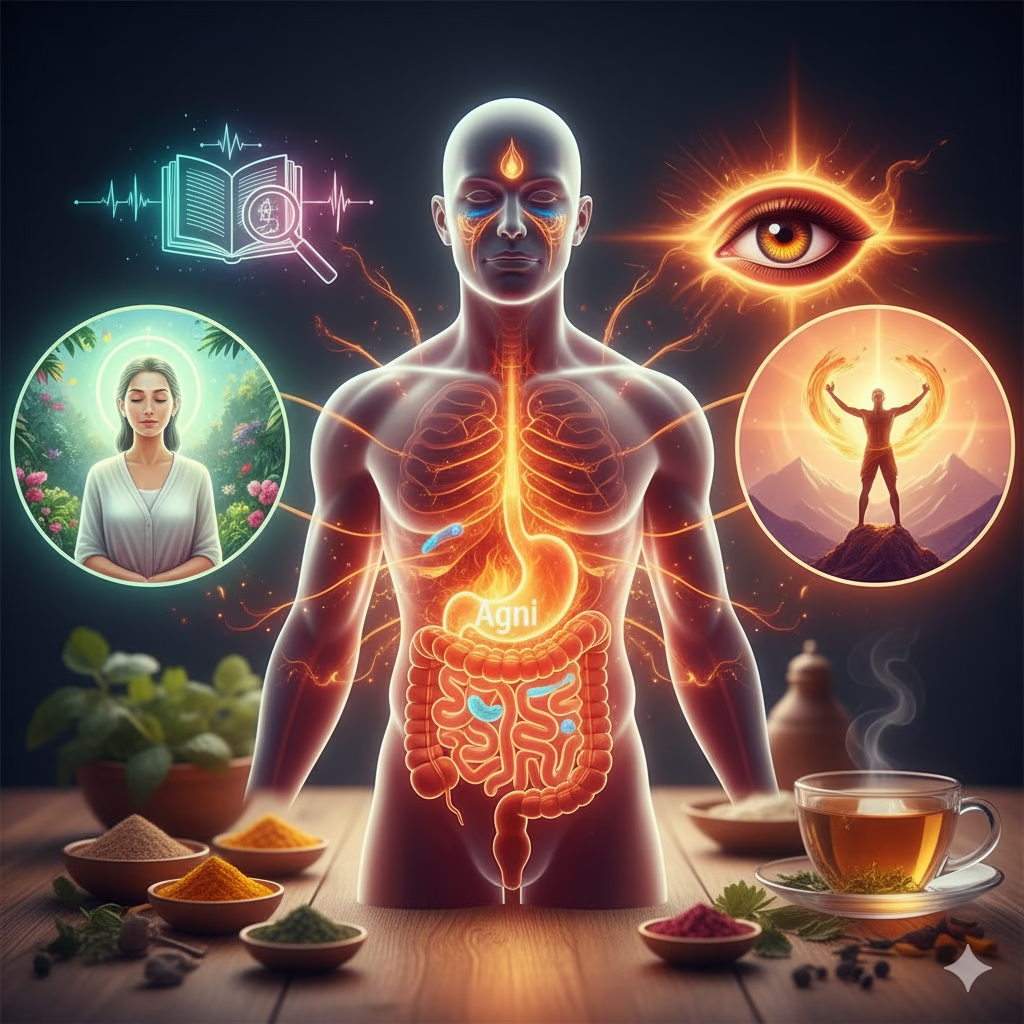

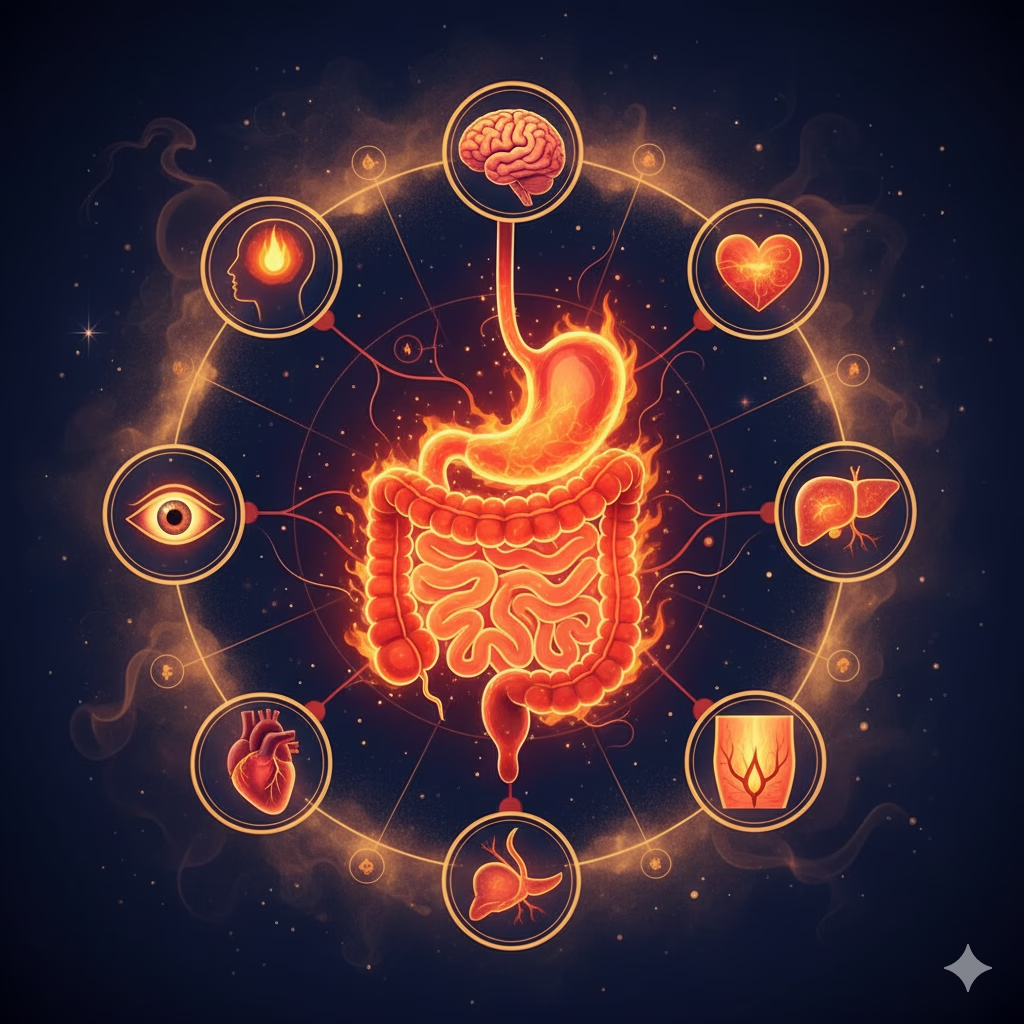
Many newcomers to Ayurveda often search for a single pitta organ in english, hoping to pinpoint one specific location for this powerful dosha. While there is a primary seat, the reality is that Pitta dosha, the principle of transformation and metabolism, governs a network of organs and systems throughout the body. Understanding these key locations is the first step toward managing its fiery nature and achieving profound balance. Pitta is responsible for everything from how you digest your food to how you process your thoughts, making its health crucial for overall vitality.
This comprehensive guide will illuminate the primary and secondary homes of Pitta dosha, explore its five distinct sub-types, and offer powerful Ayurvedic wisdom to keep its influence harmonious and life-affirming. By moving beyond a single-organ view, you can gain a deeper appreciation for how this elemental force shapes your physical and mental well-being.
What Is Pitta Dosha? A Quick Recap
Before diving into its specific locations, let’s briefly revisit the essence of Pitta. In Ayurveda, the universe and everything in it—including our bodies—are composed of five elements: Ether, Air, Fire, Water, and Earth. The three doshas—Vata, Pitta, and Kapha—are combinations of these elements that create our unique constitutional blueprint, or Prakruti in Ayurveda.
Pitta dosha is composed primarily of the Fire (Agni) and Water (Jala) elements. Think of it as the transformative energy within a liquid medium, like the powerful enzymes and acids in your stomach. Its primary function is metabolism and transformation.
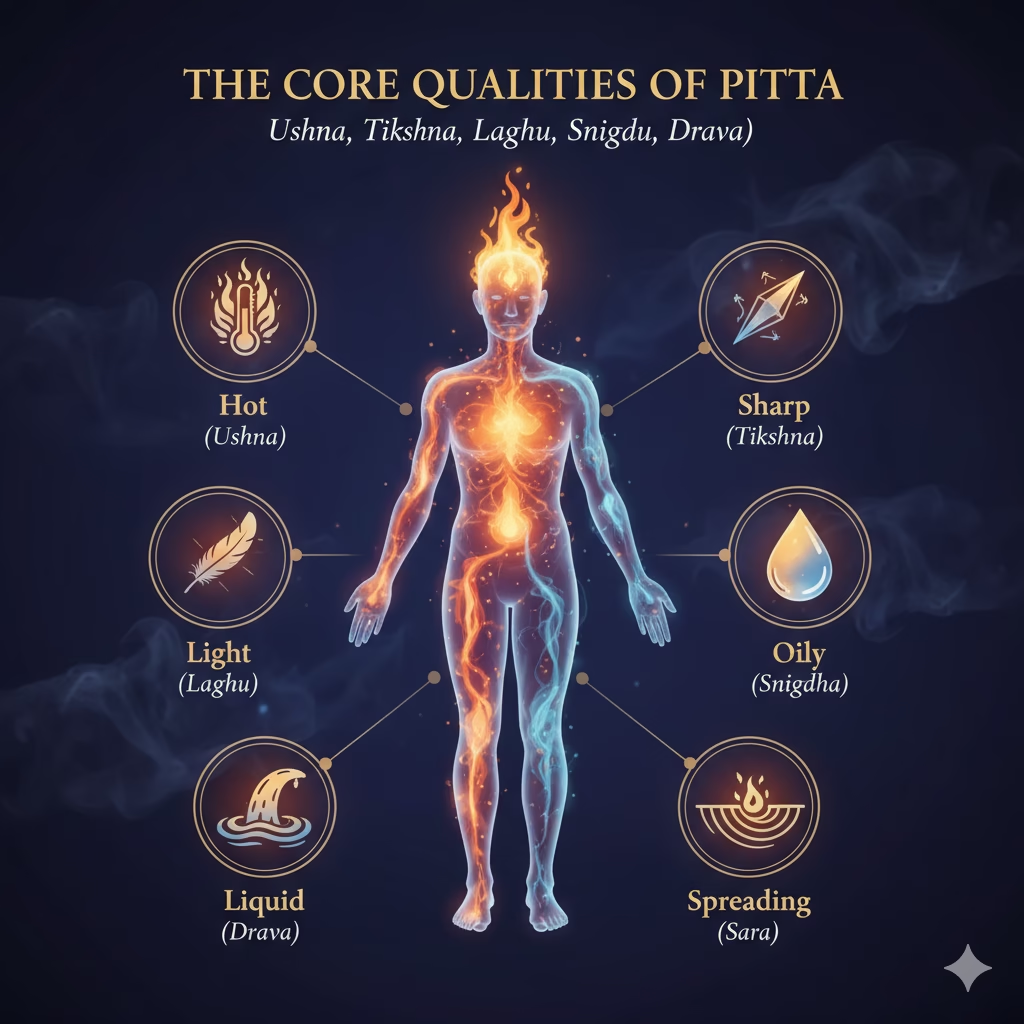
The Core Qualities of Pitta
Pitta is characterized by the following qualities (gunas):
- Hot (Ushna): Responsible for body temperature, digestion, and passion.
- Sharp (Tikshna): Relates to a sharp intellect, penetrating thoughts, and sharp hunger.
- Light (Laghu): Contributes to a light frame and a sharp, focused mind.
- Oily (Snigdha): Manifests as oily skin and hair, and smooth joint function.
- Liquid (Drava): Governs the liquid nature of digestive juices, blood, and sweat.
- Spreading (Sara): This quality allows Pitta’s influence to spread, like a rash or inflammation.
A balanced Pitta individual is intelligent, ambitious, and a natural leader, with excellent digestion and a radiant complexion. However, when aggravated, this same fire can lead to irritation, inflammation, and burnout. For a deeper understanding of its nature, it’s essential to explore understanding Pitta dosha and its role within the Tridoshic system.
The Primary Seat of Pitta: The Small Intestine
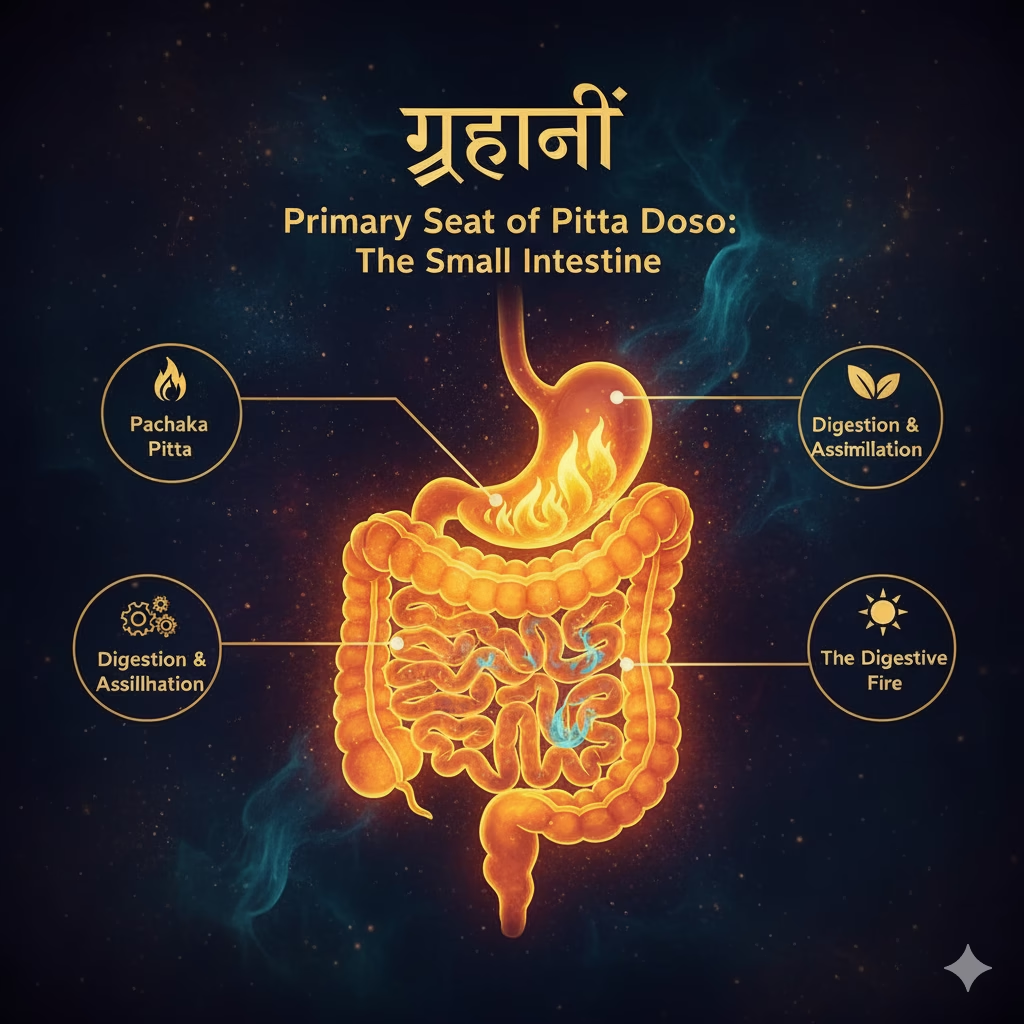
If we must identify one central hub for Pitta, it is the small intestine, known in Sanskrit as the Grahani. This is considered the ‘mulasthana’ or root location of Pitta dosha. It’s the powerhouse of digestion and assimilation, where the “fire” of metabolism burns brightest.
The Small Intestine (Grahani) and Stomach (Amashaya)
The lower stomach (Amashaya) and the entirety of the small intestine (Grahani) form the core of Pitta’s domain. Here, the specific subdosha known as Pachaka Pitta reigns supreme. This is the digestive fire, or Agni, in its most potent form. Its function is to break down the food we eat into minute, absorbable nutrients that can build our tissues (dhatus).
When Pachaka Pitta is balanced, digestion is efficient and strong. You feel satisfied after meals and have regular, healthy elimination. When it’s aggravated, the fire burns too hot, leading to classic Pitta symptoms like:
- Acid reflux or heartburn
- Gastric ulcers
- Intense, insatiable hunger
- Loose stools or diarrhea
- A feeling of burning in the stomach or intestines
Therefore, managing Pitta often begins with soothing and balancing the digestive tract. The health of the Grahani is paramount for the health of the entire body, as it’s where nourishment is fundamentally absorbed.
Secondary Pitta Organs: The Metabolic Network
While the small intestine is the main seat, Pitta’s influence extends to several other vital organs that are critical for metabolism, detoxification, and blood production. These are considered secondary sites where specific Pitta functions are concentrated.
The Liver (Yakrit) and Gallbladder (Pittashaya)
The liver is arguably the most important secondary Pitta body part. It is a hot, metabolic organ responsible for over 500 functions, including filtering toxins from the blood, producing bile for fat digestion, and processing hormones. The Sanskrit name for the gallbladder, Pittashaya, literally translates to “container of Pitta (bile),” highlighting its direct connection.
The subdosha Ranjaka Pitta resides here. It is responsible for producing bile and giving color to the blood. An imbalance in the liver can manifest not just physically (like jaundice or skin issues) but also emotionally. Since the liver is a fiery organ, excess Pitta here often leads to fiery emotions like anger, irritability, impatience, and frustration.
The Spleen (Pliha)
The spleen works in close concert with the liver as a home for Ranjaka Pitta. In Ayurveda, it is considered a key organ for blood purification and management. It filters the blood, removes old red blood cells, and plays a role in the immune system. When Pitta is high, it can lead to blood-related disorders and inflammatory conditions, reflecting an imbalance in the liver-spleen axis.
The Blood (Rakta Dhatu)
Pitta and the blood tissue (Rakta Dhatu) have an intimate relationship. The hot, liquid, and spreading nature of Pitta is directly mirrored in the blood. When Pitta is aggravated in the blood, it circulates this heat and intensity throughout the body. This is a primary reason why high Pitta often manifests on the surface. To learn more, explore the connection between Pitta on skin, which often presents as rashes, acne, rosacea, or eczema.
How Pitta Influences Other Key Body Parts
Beyond the core metabolic organs, Pitta’s transformative intelligence governs other crucial bodily functions through its specialized subdoshas. These demonstrate how Pitta’s reach extends from our gut to our perception of the world.
The Eyes (Alochaka Pitta)
The eyes are a classic Pitta site. The subdosha Alochaka Pitta governs all aspects of vision—from the physical processing of light by the retina to the mental perception and interpretation of what we see. The element of fire is directly linked to light and sight. When Pitta is imbalanced, it can manifest as bloodshot eyes, light sensitivity, poor vision, or a yellowing of the sclera (the white part of the eye). Emotionally, it can lead to a “critical eye” or judgmental perception.
The Skin (Bhrajaka Pitta)
As mentioned, the skin is a mirror of internal Pitta balance. Bhrajaka Pitta is the subdosha that resides in the skin, governing complexion, skin temperature, and the absorption of substances like oils and sunlight. A healthy Bhrajaka Pitta results in a radiant, glowing complexion. An excess leads to inflammation, redness, acne, and other fiery skin conditions.
The Heart and Brain (Sadhaka Pitta)
Perhaps the most subtle and profound subdosha is Sadhaka Pitta, which resides in the heart and brain. It metabolizes emotions and life experiences, transforming them into intelligence, drive, and determination. It is the fire of our ambition and the force that helps us “digest” emotional events. When out of balance, it can lead to burnout, perfectionism, heart issues, and an inability to process emotions, causing them to fester.
Understanding the Five Subdoshas of Pitta
To truly grasp how Pitta in the body functions, it’s essential to understand its five distinct sub-types, or subdoshas. Each has a specific location and a unique set of functions, working together to manage the body’s vast metabolic processes.
- Pachaka Pitta: Located in the small intestine and lower stomach. Its primary role is the digestion of food. This is the main digestive fire.
- Ranjaka Pitta: Found in the liver, gallbladder, and spleen. It’s responsible for bile production and giving color to the blood.
- Sadhaka Pitta: Resides in the heart and brain. It governs our emotional processing, drive, ambition, and spiritual fulfillment.
- Alochaka Pitta: Located in the eyes. It controls visual perception and the ability to “see” clearly, both physically and metaphorically.
- Bhrajaka Pitta: Situated in the skin. It regulates skin color, temperature, and luster.
By understanding which subdosha might be out of balance, Ayurvedic practitioners can target therapies more effectively. For example, skin issues point to Bhrajaka Pitta, while emotional irritability points to Sadhaka Pitta.
Signs of Pitta Imbalance in These Organs
When the fire of Pitta rages unchecked, it can cause significant discomfort and disease in its respective organs. Recognizing these signs early is key to restoring balance. A comprehensive overview of these manifestations can be found in this guide to Pitta symptoms.
Digestive System (Pachaka Pitta):
- Burning indigestion, acid reflux
- Stomach or duodenal ulcers
- Nausea or discomfort upon missing a meal
- Diarrhea or urgent, loose stools
- Excessive, unquenchable thirst
Liver, Gallbladder & Spleen (Ranjaka Pitta):
- Yellowish tint to skin or eyes (jaundice)
- Feelings of anger, resentment, and impatience
- Gallstones
- Anemia or other blood disorders
- Inflammatory conditions
Heart & Mind (Sadhaka Pitta):
- Tendency towards burnout and workaholism
- Highly critical of self and others
- Intense, driven personality that struggles to relax
- Heart palpitations or high blood pressure
Eyes & Skin (Alochaka & Bhrajaka Pitta):
- Red, inflamed, or itchy eyes
- Sensitivity to bright light
- Acne, skin rashes, rosacea, or psoriasis
- Early graying of hair or hair loss
- Excessive sweating with a strong odor
Ayurvedic Strategies to Pacify Pitta in its Organs
The core principle for balancing Pitta is to introduce opposing qualities: cool, calming, and moderate. The goal is not to extinguish the fire but to manage it so it can warm and illuminate without burning.
Dietary Recommendations
Food is the first line of defense. Favor a diet that is cooling and substantial, emphasizing sweet, bitter, and astringent tastes.
- Cooling Foods: Cucumber, cilantro, mint, coconut, melon, leafy greens (kale, chard), and zucchini.
- Sweet & Substantial: Basmati rice, oats, quinoa, mung beans, ghee, and sunflower oil.
- Fruits: Sweet apples, berries, grapes, and pomegranates.
- What to Reduce: Pungent (chili, radish), sour (vinegar, fermented foods, citrus), and salty foods. Also minimize caffeine, alcohol, red meat, and overly fried or processed items.
Lifestyle Adjustments
How you live is just as important as what you eat. Pitta types thrive on routine but can easily overdo it. The key is moderation.
- Stay Cool: Avoid excessive sun exposure, especially during midday. Exercise during cooler parts of the day, like the morning or evening. Swimming is an excellent choice.
- Embrace Moderation: Avoid overworking and intense competition. Schedule downtime to relax and decompress.
- Nature’s Calm: Spend time in nature, especially near water. Walk in the moonlight or through a green forest to cool Pitta’s intensity.
- Mindfulness Practices: A non-judgmental meditation practice can be incredibly helpful for cooling a critical Pitta mind. Avoid overly intense yoga styles in a heated room.
Herbal Support for Pitta Organs
Several Ayurvedic herbs are renowned for their Pitta-pacifying properties:
- Amalaki (Amla): A cooling antioxidant that is excellent for the digestive system and liver.
- Brahmi/Gotu Kola: Cools the nervous system and mind, supporting Sadhaka Pitta.
- Neem: A powerful bitter herb that purifies the blood and cools the skin.
- Guduchi (Giloy): A potent immunomodulator that reduces inflammation and supports liver health.
- Shatavari: Known for its cooling and nourishing properties, particularly for the digestive and reproductive systems.
Conclusion
The search for a single “pitta organ” leads to a much richer discovery: Pitta is a dynamic system of metabolic intelligence centered in the gut but extending its influence to the liver, blood, skin, eyes, and even the heart and mind. Its primary seat in the small intestine anchors its role in digestion, while its subdoshas orchestrate transformation throughout the body. By understanding where Pitta resides and recognizing the signs of its aggravation, you can use the timeless wisdom of Ayurveda—through diet, lifestyle, and herbs—to soothe its fire. Balancing Pitta is not about suppressing your drive and passion; it’s about channeling that powerful energy effectively, allowing you to live a life of purpose, clarity, and radiant health.
FAQ
What is the main Pitta organ in the body?
The primary seat or main location of Pitta dosha is the small intestine (Grahani) and the lower part of the stomach. This is where Pachaka Pitta, the digestive fire, is most concentrated and governs the crucial process of breaking down and assimilating nutrients from food.
Can stress aggravate Pitta in the liver?
Absolutely. The liver is a key secondary site for Pitta. Stress, frustration, and anger are fiery emotions that directly aggravate Pitta. This emotional heat can overload the liver, disrupting its detoxification processes and leading to both physical symptoms (like skin issues) and heightened emotional irritability, creating a vicious cycle.
Are skin problems always related to an imbalance in a Pitta organ?
While not all skin problems are Pitta-related, many inflammatory skin conditions like acne, rosacea, eczema, and psoriasis have a strong Pitta component. This is because Bhrajaka Pitta resides in the skin, and excess heat in the blood (Rakta Dhatu), often due to an overloaded liver or poor digestion, tends to be expressed through the skin.
What is a simple daily habit to help balance Pitta?
A very simple yet powerful habit is to drink a small glass of room-temperature water with the juice of a quarter lime and a teaspoon of raw sugar or maple syrup about 30 minutes before lunch. This helps to prepare the digestive system without aggravating Pitta’s fire. Another excellent habit is to take a short, calm walk after dinner, preferably in a cool evening environment, to aid digestion and soothe the mind before sleep.