

In the world of traditional Ayurvedic medicine, one term that comes up frequently is the pitta body part—in other words, the location(s) in the body where the dosha known as Pitta exerts its primary influence.
If you’ve ever wondered what “pitta body part” means, why it matters for your digestion, skin, mood, and overall health—this article will guide you.
We’ll explore the core meaning, anatomical seats, how pitta behaves when balanced vs. imbalanced, and practical tips to nurture this fire-and-water element in your system.
1. What is Pitta? A Quick Overview
In Ayurveda, the concept of doshas (Vata, Pitta, Kapha) represents fundamental energies or bio-types in our body and mind.
Pitta is the one associated with fire (and a bit of water) and governs processes of transformation: digestion, metabolism, heat regulation, mental clarity, enzyme activity.
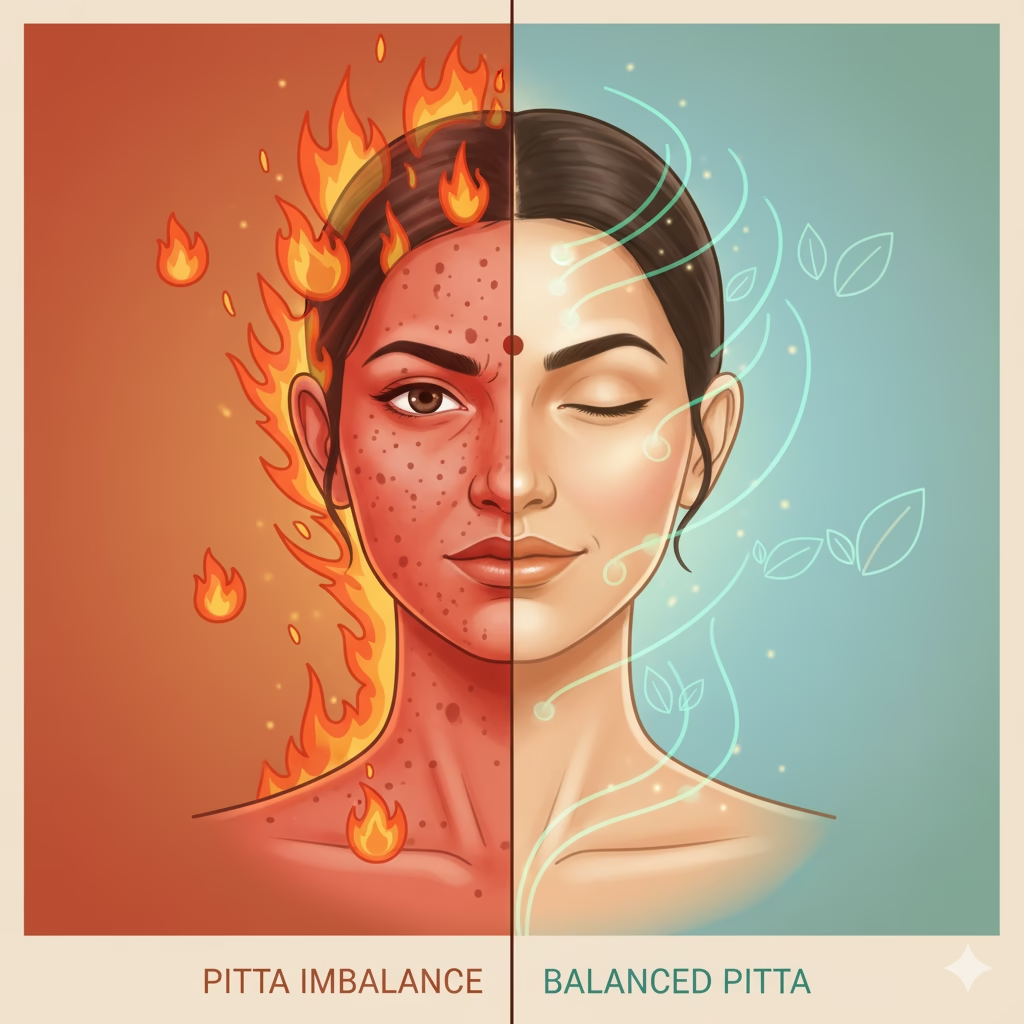
When a person’s Pitta is balanced, they may have good digestion, clarity of mind, radiant skin, and a purposeful, active temperament.
On the flip side, when Pitta becomes excessive or out of balance, we begin to see signs like overheating, skin rashes, inflammation, irritability, acidity and more.
So when we talk about the “pitta body part”, we mean to identify where in the physical body this energy is most concentrated and functional—which leads us to the anatomical seats of Pitta.
For a deep understanding you can also read Understanding Pitta Dosha: Balance Fire and Calm Mind.
2. Locating the “Pitta Body Part”: Anatomical Seats of Pitta
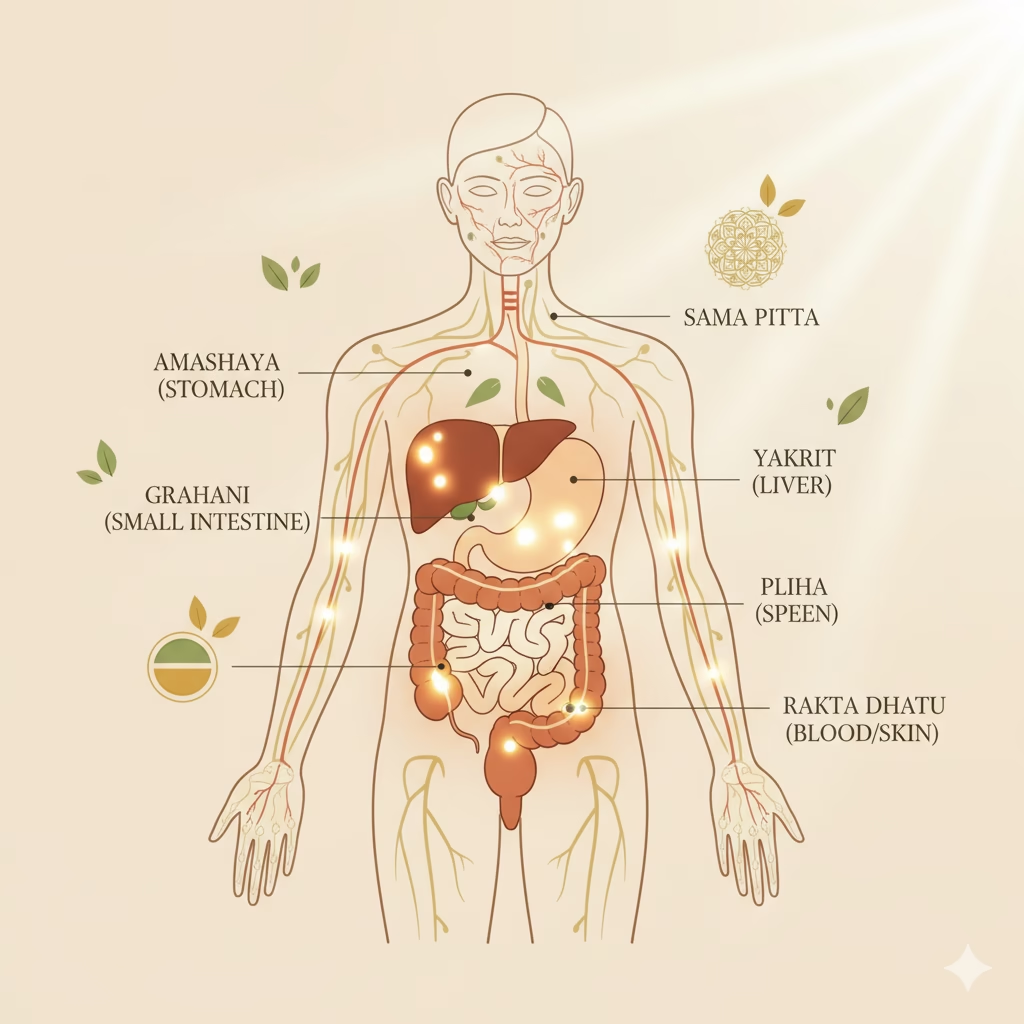
The term “pitta body part” might sound singular, but in fact Pitta has multiple primary sites within the body where its influence is strongest. According to traditional texts:
2.1 Umbilicus / Navel (Nabhi)
One of the main seats of Pitta is around the navel or umbilicus region (navel centre). It’s described as the junction where digestion and enzyme activity begins.
2.2 Stomach & Small Intestine (Amashaya & Grahani)
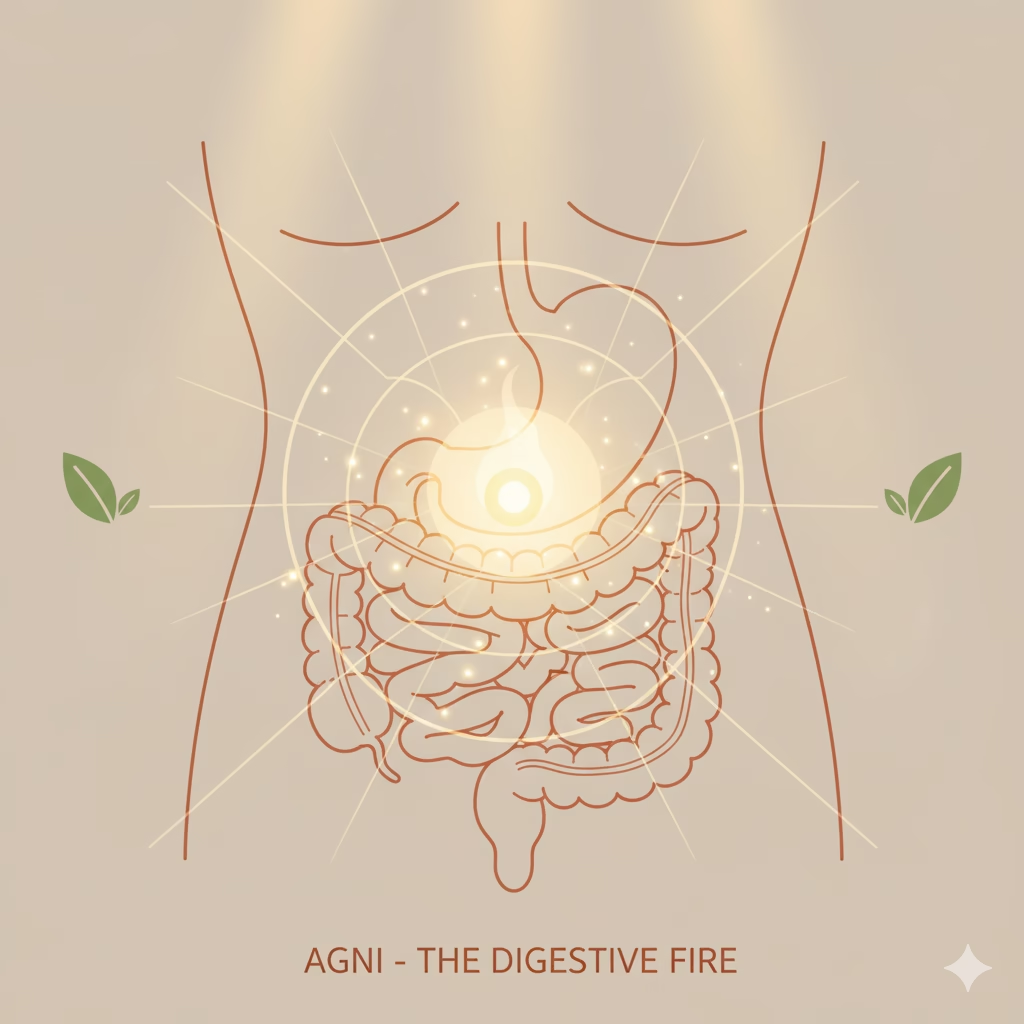
Pitta is strongly located in the stomach, duodenum and small intestine—areas where the digestive “fire” (Agni) is most active.
2.3 Liver, Spleen & Blood Plasma
Another seat is the liver and spleen, as well as the blood plasma and lymph—the fluid and heat-metabolising components of the body.
2.4 Skin, Sweat Glands & Eyes
Pitta also shows up in skin (including colour, luster, warmth), sweat glands (regulating heat and perspiration) and the eyes (sharp vision and clarity).
In short, when we mention pitta body part, we are referring collectively to those key body regions where Pitta resides and acts: mid-trunk (digestive tract), liver/blood system, skin/sweat, eyes.
3. Functions of the Pitta Body Part(s)
What happens in those areas? What are the responsibilities of the “pitta body part”? Let’s break down the major functions:
- Digestion and metabolism: Pitta drives the digestive fire (Agni), turning food into nutrients, keeping metabolism efficient.
- Heat regulation & body temperature: Through the skin and sweat system, Pitta helps manage heat and cooling.
- Skin, complexion & sensory organs: Pitta in the skin (Bhrajak Pitta) gives luster, health, and in the eyes (Alochaka Pitta) it gives clarity of sight.
- Mental clarity, willpower, transformation: Pitta isn’t just physical; it governs transformation in the mind, decision-making, ambition.
So the “pitta body part” isn’t passive — it plays an active role across systems: digestion, heat, complexion, mental agility.
4. Recognising Balanced vs. Imbalanced Pitta in Those Body Parts
Balanced Pitta Signs:
- Good digestion: no heavy acid, no sluggishness.
- Clear, glowing skin, normal sweat.
- Good vision, sharp mind, steady will.
- Body temperature comfortable—not excessively hot.
Pitta Imbalance Signs:
- Heat symptoms: burning sensations, hot flushes, excessive sweating.
- Digestive issues: acidity, heartburn, loose stools.
- Skin/eye issues: rashes, redness, inflamed skin, yellowing, eye irritation.
- Emotional/mental: irritability, impatience, high perfectionism, mental overheating.
If you feel you’re showing many of these signs in the mid-body (navel/stomach region), skin, sweat or eyes—and you also have the personality/temperament of a Pitta type—then chances are your “pitta body part” regions are working overtime or out of balance.
5. Why Understanding the Pitta Body Part Matters for You
Understanding where Pitta resides (the so-called pitta body part regions) helps you in multiple ways:
- Targeted care: Instead of generic advice, you can focus on cooling the digestive area, calming skin/sweat responses, protecting eyesight.
- Early warning signs: If your digestion is off, skin is inflamed or you’re overheating emotionally, you may be seeing Pitta imbalance rather than a random issue.
- Lifestyle alignment: For example, if your Pitta seats are in overdrive, you might benefit more from cool, calming foods and environments rather than hot/spicy ones.
- Holistic health: By understanding that Pitta governs not just digestion but mindset, body heat and sensory clarity, you adopt a more complete wellness approach.
6. Practical Tips to Balance Your Pitta Body Part(s)
Here are actionable steps you can take to support the Pitta body part regions and bring them back into balance:
Diet & Nutrition
- Favour cooling, mild foods: sweet, bitter, astringent tastes. Avoid hot, spicy, sour and salty flavours that aggravate Pitta.
- Keep meals at consistent times (especially the largest meal at noon when digestive fire is strongest).
- Hydrate with cool or room-temperature liquids; avoid very hot beverages in excess.
Lifestyle & Environment
- Avoid hot, humid climates or overexposure to the sun. Pitta types thrive in cooler, drier settings.
- Choose calming, de-stress practices: light walks, gentle yoga, time in nature rather than high-intensity heat workouts.
- Wear light, breathable fabrics; avoid heavy clothing that traps heat in the mid-torso region (where Pitta seats).
Body & Skin Care
- Because of Pitta’s seat in skin and sweat systems: take care of skin hygiene, avoid overheating, use cooling oils (like coconut) for self-massage (Abhyanga) before bath.
- Protect your eyes: if you’re in bright sun, use shade, sunglasses; if you’re getting redness or irritation, consider a Pitta-cool aligned approach.
Mind & Emotional Balance
- Recognise when your mind is “burning up” with ambition, irritability or perfectionism—signs that Pitta is overactive.
- Practice cool-mind techniques: meditation, deep-breathing, playful or light-hearted activities to release pressure.
- Ensure good sleep: Pitta excess often shows with interrupted sleep or racing thoughts.
For more ayurvedic advice learn more about how to keep your Pitta cool and balanced.
7. Case Study: How Pitta Body Part Imbalance Shows Up in Daily Life
Let’s look at a scenario: Priya is a mid-30s professional, Pitta-dominant by temperament. She often skips lunch when busy, eats a big spicy dinner late, works in a hot, stuffy office, and then complains of heartburn, hot flashes, rashes and irritability. Her skin becomes oily, she sweats easily mid-torso, she gets sunburnt quicker than others. From an Ayurvedic perspective: her pitta body part regions—mid-trunk digestive system, sweat/skin system, maybe liver/blood plasma regions—are all being overstimulated, overheated and not given the cooling, stable support they need.
By shifting her habits—eating lunch at noon, choosing milder foods, cooling smoothies, midday break outdoors in shade, skin-care routine with cooling oil—she began to feel calmer, digestion improved, hot flashes reduced. Her skin cleared up. Her eyes felt less irritated. The “pitta body part” imbalance began to settle.
This example shows how understanding the anatomical seats and functional roles of Pitta can help one pivot from symptom-chasing to root-supporting.
8. Myths & Misunderstandings about Pitta Body Part
- Myth: Pitta is only about being “fiery” or angry.
Truth: While Pitta does have heat and sharpness, when balanced it brings precision, clarity, digestion, transformation—not just rage. - Myth: Only people with Pitta constitution suffer from Pitta imbalances.
Truth: Everyone has Pitta energy; if you have Vata or Kapha dominance you can still experience Pitta overheating or disturbances in those Pitta body parts. - Myth: Pitta body parts are fixed one location.
Truth: Pitta sits in multiple regions—mid-body, skin, eyes, etc.—so imbalance can show in varied ways rather than one “hot spot”.
9. How to Assess Your Pitta Body Part Health
Here are simple questions and observations you can make:
- Do you feel a warm sensation, heat or burning in the mid-body (around navel, stomach)?
- Do you sweat unusually in the torso or feel body temperature is higher than others?
- Do you have strong digestion but intermittent acidosis, hot stools or irritation after meals?
- Is your skin oily, reddish or prone to heat-related rashes?
- Are your eyes irritated, red, sensitive to light or you notice flushed whites?
- Do you experience mental irritability, perfectionism, high ambition that leads to burnout?
If you answer “yes” to several of these, your Pitta body part regions may be under strain—and applying supportive measures could help.
10. Integrative Approach: Aligning Ayurveda with Modern Science
While Ayurvedic concepts like “pitta body part” come from thousands of years of observation and tradition, modern research offers complementary insights:
- Researchers note Pitta’s link to metabolic rate, digestion and heat production in the body (see article from Healthline on doshas).
- Others emphasise that while specific scientific validation is limited, using mind-body frameworks like Ayurveda can support awareness and lifestyle change.
Therefore, treating your pitta body part regions with respect (cooling diet, moderation, rest) aligns ancient wisdom with modern habits of regulating body heat, digestion, inflammation and mental stress.
11. Long-Term Maintenance for Your Pitta Body Part
- Build a daily routine: consistent meal times, midday emphasis, avoid heavy late nights.
- Seasonal awareness: In hot/humid months, take extra cooling measures; in cooler months, moderate accordingly.
- Monitor your body: If you notice recurring signs (skin rash, digestive acidity, overheating), pause and adjust rather than push through.
- Adopt mindfulness: Recognise when your ambition or internal drive (a Pitta trait) is turning into stress or irritability.
- Rest and recovery: Pitta types often push hard; remember that cooling, restoration and reflection matter as much as activity.
12. FAQs about the Pitta Body Part
Q1: Which part of the body is the “pitta body part”?
A1: It’s not one single spot but a set of key regions: the digestive torso (navel/stomach/small intestine), the liver/blood plasma region, skin and sweat systems, and the eyes.
Q2: How can I tell if my “pitta body part” is out of balance?
A2: Signs include excess body heat, acid reflux, rashes, oily skin, sweat around mid-body, eye irritation, strong appetite with burning, or sharp irritability.
Q3: What kinds of foods soothe the pitta body part?
A3: Cooling, mild foods with sweet, bitter and astringent tastes; easy to digest; avoid hot/spicy/sour/salty foods.
Q4: Can people with non-Pitta constitution still have pitta body part issues?
A4: Yes—everyone has some Pitta energy. If their lifestyle or environment overstimulates Pitta, even a Vata or Kapha dominant person can experience Pitta-type overheating in those body parts.
Q5: Does exercise affect the pitta body part?
A5: Yes—exercise that overheats the body, especially mid-torso (e.g., sauna, intense heat workouts) can aggravate Pitta in those seats. Gentle/moderate activity with cooling elements is better for balanced Pitta.
Q6: Are there Ayurvedic treatments specifically for the pitta body part?
A6: Yes—Ayurvedic practices include cooling self-massage (abhyanga) with oils like coconut, herbal teas that pacify Pitta, mindful daily routines and avoiding overheating stimuli.
13. Conclusion
Understanding the pitta body part and its meaning in Ayurvedic anatomy gives you a powerful lens to examine your health.
When you know that Pitta is centred in the digestive core, in the skin/sweat systems, in the eyes and in transformation processes, you can better tailor your diet, environment, lifestyle and mindset to support that energy.
With a balanced Pitta: you’ll have clearer digestion, cool, radiant skin, calmer mind and effective metabolism.
On the other hand, neglecting it might leave you feeling overheated, burnt out, inflamed or irritable.
By caring for your “pitta body part” regions through cooling foods, consistent routines, mindful practices and awareness of signposts—you bring flame with moderation, warmth with wisdom, and vitality with balance.