

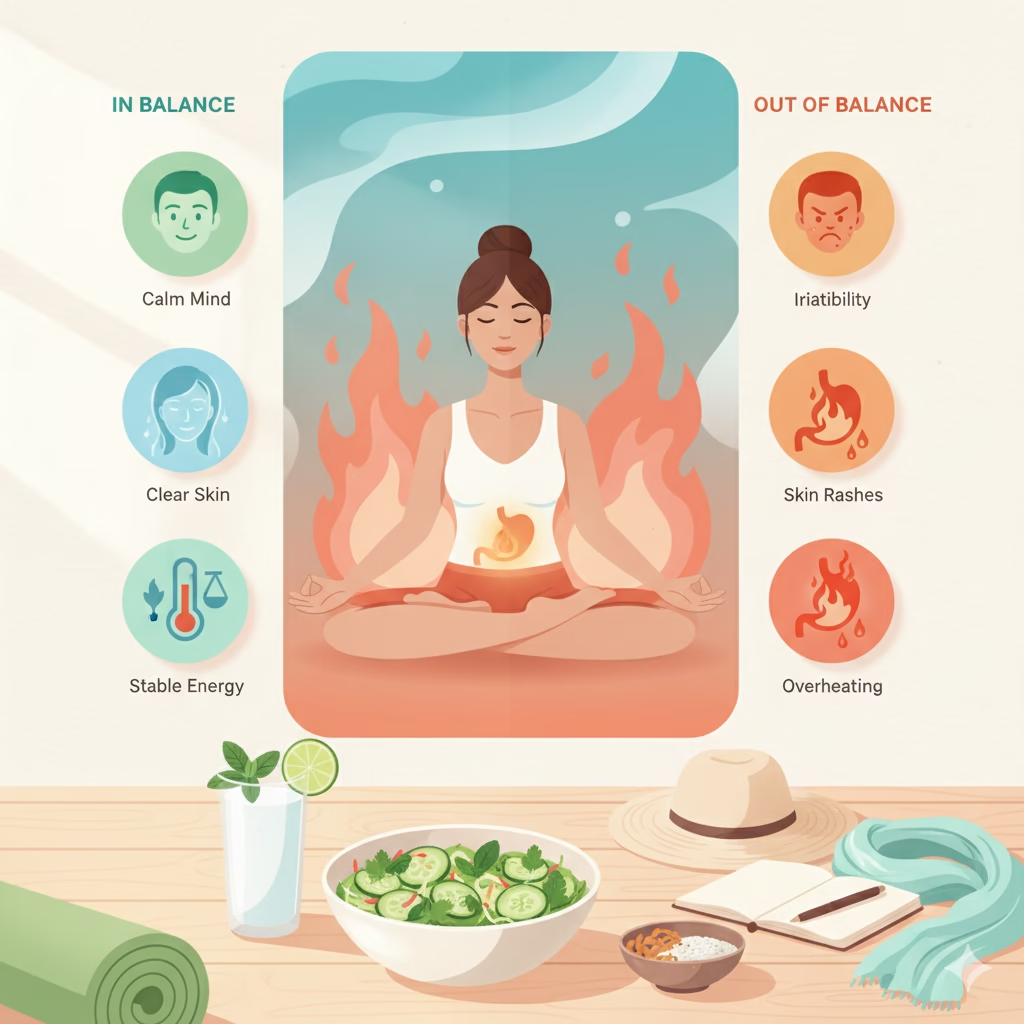
1. What is pitta in body?
In the ancient healing system of Ayurveda, one of the foundational concepts is the idea of “doshas” (body-mind energies) — specifically Pitta Dosha, often referred to simply as pitta in body.
It’s frequently described as the power of transformation in the body: the internal “fire” that digests food, creates energy, regulates heat, sharpness and clarity.
When we say “pitta in body”, we mean: how this pitta energy is expressed within your physical body and mind.
It’s not just a metaphor — in Ayurveda it literally governs certain processes: digestion, metabolism, body temperature, even cognitive functions.
So understanding pitta is about tuning into that inner fire: is it just right, or is it flickering too wildly (over-agitated) or dim (under-active)? And most importantly — how can you keep it balanced so your body and mind stay in harmony?
If you’re new to the Ayurvedic concept of doshas, you can dive deeper into how pitta energy works in the body through our detailed guide on Understanding Pitta Dosha: Balance Fire and Calm Mind
2. The elements & constitution of pitta in body
Let’s break it down. Pitta is composed of fire (Agni) plus water (Jala) in the Ayurvedic system. Ayur Times
- Fire brings heat, transformation, digestion, energy.
- Water gives fluidity, mobility, medium for the fire to act.
That means someone with strong pitta in body will often show signs of heat, sharpness, metabolism that moves quickly, digestion that works well — when in balance.
This constitution influences physical traits like medium build, warm body temperature, clear skin (but sometimes oily), good digestion.
Mentally, you’ll find clarity, ambition, focus. On the flip side, when pitta is out of balance the same traits become irritability, inflammation, heat-related disorders.
Understanding your own pitta makeup (how strong it is relative to the other doshas) is an important first step.

3. Physical and mental traits of pitta dominance
Physical traits
If pitta predominates in your body, you may notice:
- Medium build, well-defined muscles, possibly a reddish or warm complexion.
- A slightly warm body, you might sweat more easily, get flushed in sun or heat.
- Strong digestion and appetite when balanced; when over-agitated you might get heartburn, acidity or loose stools.
Mental/emotional traits
On the mental side:
- Good clarity, strong will, leadership qualities, ambition.
- But when pitta is high: impatience, irritability, sharp critique, short temper.
So if you resonate with many of these signs, you might have a strong pitta component or body type.
4. When pitta in body goes out of balance
When pitta is either too strong (over-aggravated) or too weak (under-active) in your body, issues show up. Let’s look at both sides.
Excess pitta (Pitta-Vriddhi)
This means the fire is too intense. You may experience:
- Feeling hot, overheated easily, flushed skin, excessive sweating.
- Digestive problems: hyperacidity, heartburn, sour belching, loose stools.
- Inflammation: skin rashes, acne, red eyes, sensitive gums.
- Emotional symptoms: anger, criticism, frustration, being easily triggered.
If you often notice skin irritation, acne, or redness when your body heats up, explore our post on Pitta on Skin: Causes, Symptoms & Natural Remedies for targeted solutions.
Low or weak pitta (Pitta-Kshay)
Here the fire is too weak, and the body can’t properly transform or digest. Signs include:
- Poor appetite, slow digestion, feeling sluggish.
- Pale or whitish complexion, lack of luster, perhaps heavy feeling in the body.
Why this matters
Because pitta governs so many processes — digestion, metabolism, heat, skin tone, vision, even mental processing — an imbalance affects many systems.
5. How to identify your pitta in body (dosha type)
You don’t need a full Ayurvedic lab to assess your pitta type — you can start with self-observations. Here are steps:
- Self-reflection on physical signs
- Do you feel warm easily, sweat more, have oily skin or frequent flushing?
- How is your digestion: strong, moderate, easily upset?
- Mental/emotional check
- Are you sharp minded, focused, sometimes critical or impatient?
- Do you get hot-tempered when stressed?
- Daily rhythm & seasons
- Do you feel more overwhelmed in hot weather or midday (10 am-2 pm is a high-pitta time)
- Compare with other doshas
- If you’re lean/dry you might have strong vata; heavy/slow you might lean kapha. If medium build, warm, intense digestion you likely lean pitta.
- Simple quiz or consultation
- There are many online dosha quizzes (though not perfect). For deeper insight you can consult an Ayurvedic practitioner.
The goal is not to “label” yourself rigidly, but to understand your dominant tendencies so you can tailor lifestyle and diet accordingly.
6. Diet & lifestyle: foods, habits to pacify pitta
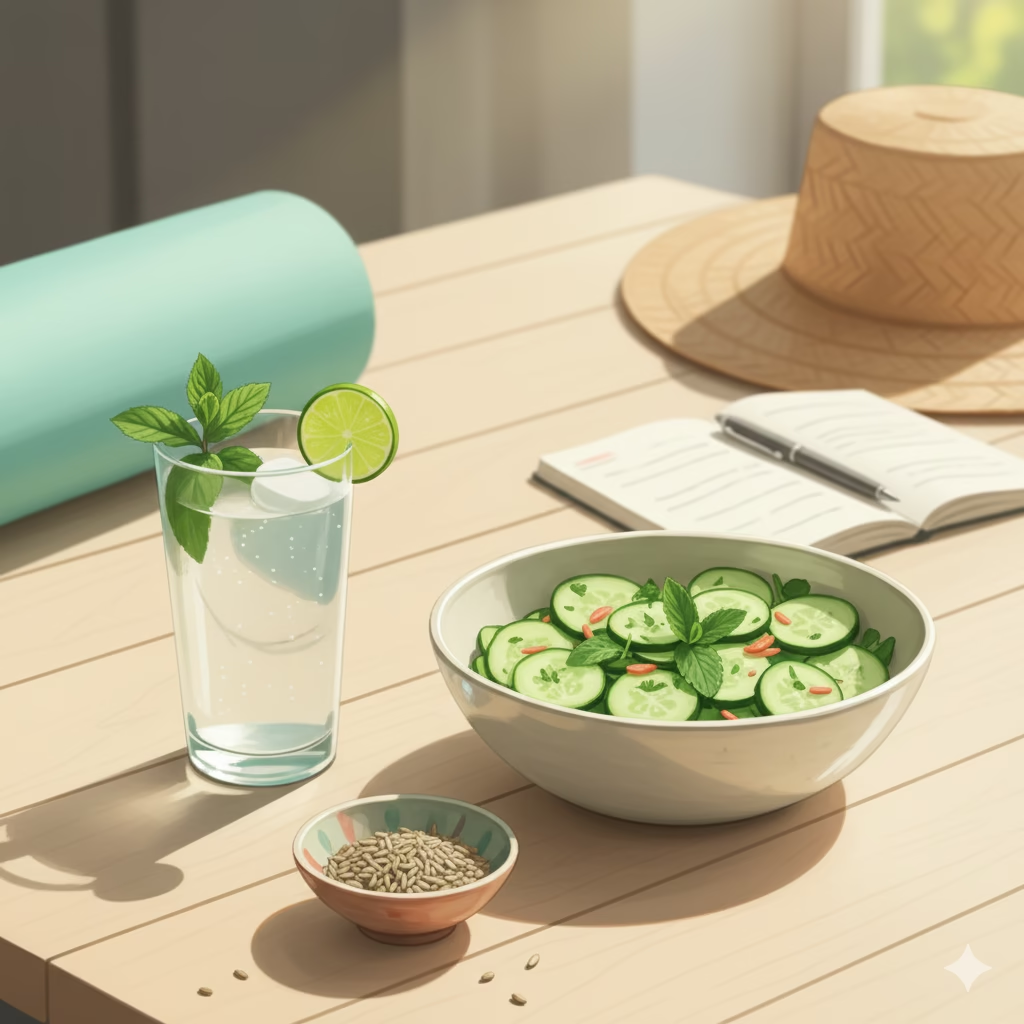
If you’re working to balance pitta in body, here are practical diet + lifestyle tips worth implementing.
Foods that pacify pitta in body
- Focus on tastes that calm fire: sweet, bitter, and astringent tastes. They are cooling, grounding.
- Cooling herbs and flavors: coriander, mint, fennel, cardamom — think of them as “mini AC units” for the internal fire.
- Choose vegetables, fruits and whole-grains that are moderate in heat: e.g., lettuce, cucumber, watermelon, ripe sweet fruits, rice, barley.
- Use good oils like coconut oil for cooking or massage (cooling) rather than intense heat oils.
Habits that help
- Eat at regular intervals; avoid skipping meals (pitta doesn’t like prolonged hunger).
- Stay hydrated, especially in warm weather or after exercise.
- Use moderate exercise (not ultra-intense competitive sessions) — pitta responds well to steady, moderate movement.
- Cool your environment: shade, water, airy spaces help.
Evening & wind-down
- Have a cooling drink or herbal tea after dinner (like mint or fennel).
- Avoid heavy meals late at night — it can over-tax pitta.
By aligning what you eat and how you live with your pitta nature, you’ll support the inner fire in a balanced way rather than letting it blaze out of control.
7. What to avoid when pitta in body is high
Knowing what to steer clear of is just as important as what to include. When pitta in body is aggravated, avoid:
- Spicy, hot, deep-fried, overly pungent foods. These fuel the fire.
- Sour or fermented foods in excess (pickles, vinegar, excessive citrus) because pitta + sour = added heat.
- Alcohol, caffeine, too much red meat or heavily salted foods — all tend to aggravate internal heat.
- Excess exposure to midday heat, strong sun, saunas — all “external fire” worsening internal pitta.
- Overwork, high-stress lifestyle, interrupted sleep — since pitta thrives on good rest and regulation.
When you curb these aggravating factors, you give your internal fire space to mellow and stabilise.
8. Daily routine (Dinacharya) & season adjustments
In Ayurveda, the concept of dinacharya (daily routine) and ritucharya (seasonal routine) play key roles in balancing doshas — including pitta.
When you tune your day-to-day and seasonal habits, you help your body ride its natural rhythms.
Daily routine for pitta-balance
- Wake early (ideally before the sun’s intensity peaks) — starting the day calm sets a good tone.
- Tongue-scraping + oil-pulling can help clear toxins and reduce excess heat.
- Self-massage (abhyanga) with cooling oils like coconut or sunflower — helps calm the heat in tissues.
- Prefer exercise when the weather is cooler rather than in full sun or midday.
- Go to bed early (before 10 pm if possible) and keep your room cool and quiet — pitta types often wake in the early small hours if over-stimulated.
Seasonal tweaks
- In hot summer or spring (when fire element is naturally rising) you’ll need extra cooling — lighter meals, more fluids, less spicy food.
- In cooler seasons you might need slightly more warming foods, but still avoid the extremes of heat.
- Recognise your body’s cues: if you feel overheated, flushed, easily irritated — that’s a sign to tone down pitta.
By respecting your rhythmic flow — day, night, seasons — you give pitta the right environment to stay balanced rather than forced.
9. Natural remedies and soothing practices
Here are some time-tested practices to calm pitta in body in a gentle, natural way.
- Cooling oils and massage: Use coconut oil or sunflower oil for daily self-massage. It reduces heat, calms the nervous system.
- Herbal aids: While I’m not prescribing medicine, general cooling herbs used in Ayurvedic tradition include coriander, mint, fennel, cardamom. These can be included in your diet.
- Breathing and yoga: Gentle pranayama (breath-work) and cooling yoga flows (rather than intense hot yoga) support pitta.
- Skin care: If you’re prone to rashes, redness, or inflammation, use soothing natural skin treatments — e.g., aloe vera gel, cool compresses.
- Mind-calm practices: Meditation, journaling, walking in nature— especially near water or green spaces—can calm a fiery mind.
These practices are not quick fixes but steady supports. Over time they build resilience and help your pitta settle into its natural sweet-spot.
10. Integrating pitta-balance into modern life
Balancing pitta isn’t just for ancient times — it’s very relevant in modern life, especially when we deal with heat, stress, screens, processed food, constant busyness.
Here are tips to adapt:
- Work-life rhythm: If you’re in an intense job (meetings, deadlines, multitasking) you may push your internal fire too hard. Schedule regular short breaks, cool drinks, moments outdoors.
- Digital environment: Screens, blue light, late-night work can aggravate pitta (sharpness, heat, intensity). Limit screen time at night, shift to mellow lighting, calming routines.
- Urban heat: Living in a hot city or in a warm climate means extra awareness. Use fans, shade, hydration, cooling foods.
- Travel & irregular schedules: Irregular meal times, jet-lag, disrupted sleep all impact pitta. Stick to a cooling diet when you can, and prioritise rest.
- Social & emotional life: High ambition, competitive environments, critical attitudes are pitta-prone. Cultivate compassion, acceptance, slower pace when possible.
By making these modern-life adjustments, you’re not fighting your constitution—you’re working with it.
11. When to consult a professional
While lifestyle and diet shifts can support pitta balance, there are times when you should seek expert help:
- Persistent symptoms like chronic acid-reflux, ulcers, persistent skin inflammation, early greying hair, hypertension — especially if lifestyle changes don’t help.
- Emotional patterns like prolonged anger, bitterness, irritability, or perfectionism that affect your relationships or work.
- If you’ve tried balancing but you swing from high pitta to very low pitta or have overlapping dosha issues (pitta + vata, etc.).
- An Ayurvedic practitioner can assess your prakriti (constitution), your vikriti (current imbalance), and propose tailored treatments or therapies.
Remember: personalized guidance adds power and safety to self-care.
12. Common myths about pitta in body
Let’s clear up a few misconceptions:
- Myth: “If you’re pitta type you must always eat spicy food.” → Actually, though pitta handles strong digestion, excess heat aggravates it. Balance is key.
- Myth: “High pitta means you must suppress your ambition.” → No. Ambition is fine; the issue is unmanaged fire. Channel it with discipline and cooling habits.
- Myth: “Pitta imbalance is only physical.” → No — mental/emotional traits matter just as much. The heated mind is part of the picture.
- Myth: “If you have pitta you can’t live in hot climates.” → You can, but you need conscious support: cooling foods, hydration, mindful rhythm.
By dispelling these, you empower yourself with more accurate awareness.
13. Case study / example scenario
Let’s imagine “Ravi”, a 35-year-old professional living in Nagpur who identifies as pitta-dominant.
- He has a medium build, strong digestion, gets flush when the midday sun hits, and tends to get impatient with delays at work.
- In summer he starts waking up at 3-4 am feeling hot, irritated, and then lunch of spicy biryani + coffee leaves him with heartburn.
- He also finds his skin breaking out and feels drained by 4 pm.
Steps he takes:
- Breakfast: cooling smoothie with banana, almond milk, mint, fennel seeds instead of his usual coffee + fried snack.
- Mid-morning: short walk in shaded area rather than pushing through emails at his desk.
- Lunch: basmati rice, steamed vegetables, coriander-mint chutney, grilled fish. Avoid extra chilli.
- Afternoon: coconut-water instead of iced soda. He takes a 5-min breathing break.
- Evening: around 8 pm he applies coconut-oil self-massage (abhyanga) & takes a warm shower (not too hot).
- Bed by 10 pm, room dark, fan on, uses cooling lavender/palo santo diffuser.
Result: after two-three weeks he notices fewer heartburn episodes, less rash, more stable mood and better sleep. His internal “fire” is still strong — but under control rather than blazing.
This scenario shows how you adapt your habits to support pitta rather than fight it.
14. Quick reference table: pacify vs aggravate
| Action / Food | Helps (soothes pitta) | Aggravates (increases fire) |
|---|---|---|
| Meal type | Fresh, slightly cooled, moderate spice | Deep-fried, very spicy, heavy dinners |
| Drink | Coconut water, herbal mint/fennel tea | Strong coffee, alcohol, excess soda |
| Oil for body | Coconut, sunflower, light massage | Heavy unctuous oils, hot showers |
| Timing | Regular meals, early bedtime | Skipping meals, working late past 11 pm |
| Environment | Shade, moderate temperature, water-side relax | Hot sun, midday heat, humid enclosed spaces |
| Mind/Emotion | Meditation, nature walk, calm communication | High stress, perfectionism, constant competition |
Use this table as a quick cheat sheet when you feel your pitta might be trending high.
15. FAQ – Frequently Asked Questions
Q1: What exactly does “pitta in body” mean?
A: It refers to the pitta dosha’s expression in your physical body and mind — how the fire + water element shows up, how strong it is, and whether it’s in balance.
Q2: Can someone have both high pitta and high vata or kapha?
A: Yes — many people are combinations (e.g., pitta-vata). Identifying dominant plus secondary doshas helps tailor lifestyle.
Q3: How fast can I see results if I change diet/habits for pitta?
A: Mild symptoms may improve in 2-3 weeks; deeper imbalances could take months. Consistency is key.
Q4: Are there specific herbs I should take for pitta?
A: While herbs exist in Ayurveda, it’s best to take them under professional guidance. Meanwhile you can focus on foods/herbs like mint, coriander, fennel which are safe.
Q5: Does pitta only affect adults?
A: No — pitta is present in everyone. Even children with strong digestion or warm bodies may show pitta qualities.
Q6: What if I live in a hot climate (like Nagpur) — does that mean my pitta will always be high?
A: The climate adds stress to pitta, yes, but with the right habits (cooling foods, hydration, shade, early meals) you can manage it well.
Conclusion
Balancing pitta in body isn’t about suppressing your nature; it’s about harnessing your internal fire wisely.
When your pitta is in harmony, you enjoy sharp cognition, good digestion, vibrant skin, steady energy, and an emotionally balanced mind.
When it’s out of balance, you’ll likely face heat, irritability, inflammation, digestive and skin issues.
By learning your pitta signs, aligning your diet and habits, adjusting your routine and being mindful of aggravating factors, you bring your inner fire into a regulated and supportive state.
Think of it as tuning an engine rather than putting it out.
You’ve got the tools now — practise gradually, be patient, and observe how your body and mind respond.
If you ever feel things aren’t shifting, reaching out to a practitioner can provide tailored support.