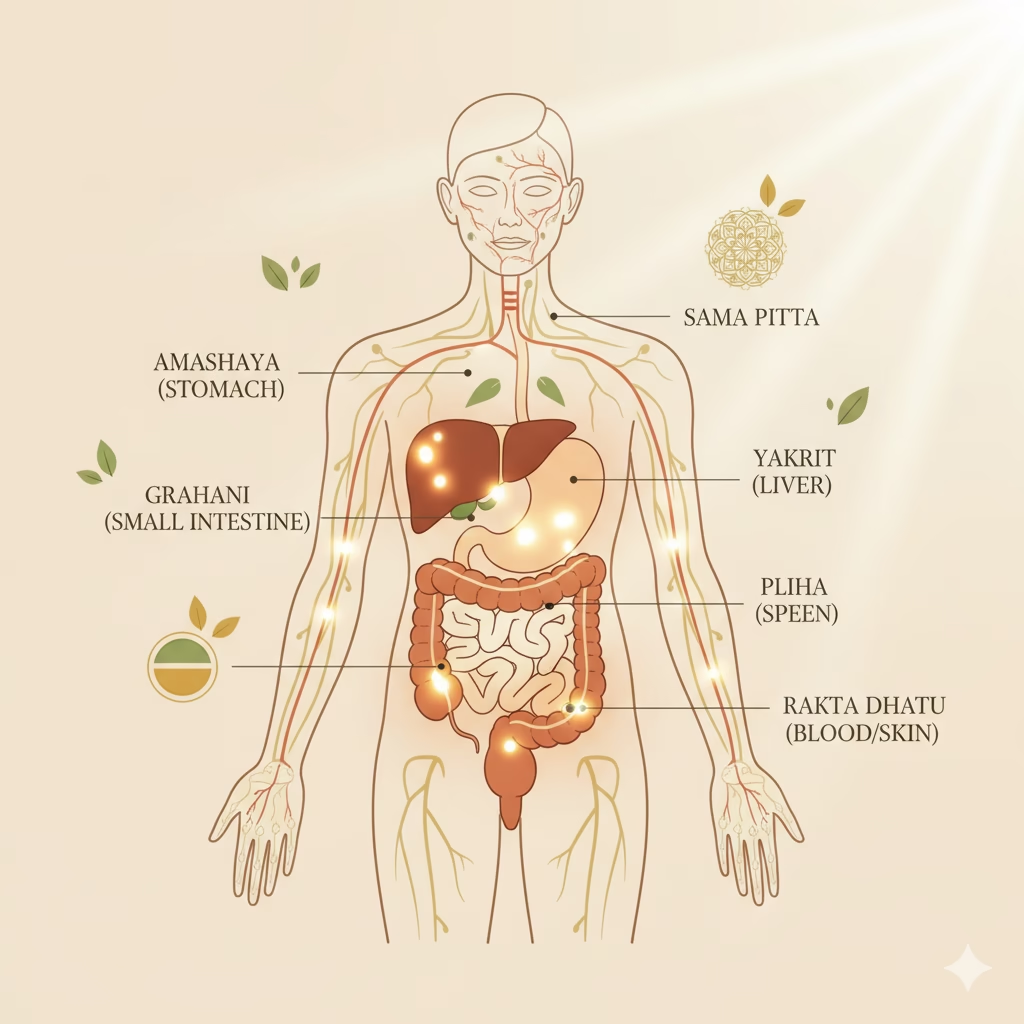

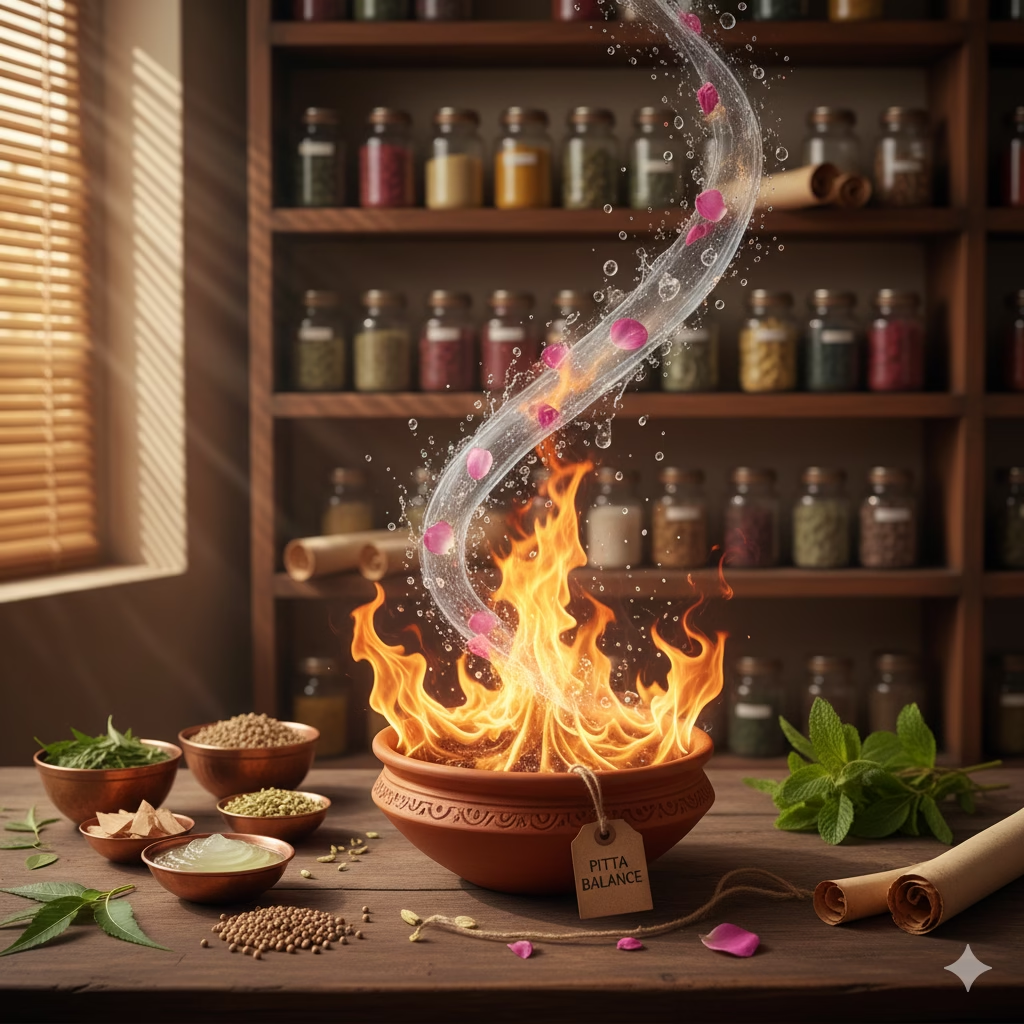
1. Understanding Pitta Dosha: The Energy of Fire and Transformation
In classical Ayurveda, the human body and mind are governed by three vital bio-energies, or Doshas — Vata Dosha (air and ether), Pitta Dosha (fire and water), and Kapha Dosha (earth and water).
Each Dosha embodies unique physiological and psychological functions.
Pitta Dosha, derived from the Sanskrit root tap, meaning “to heat,” symbolizes transformation and metabolism.
It is primarily fiery in nature but has a subtle watery component, ensuring fluidity and moderation of its intense energy.
Pitta governs Agni (digestive fire) — the power that transforms food into nutrients and thoughts into wisdom.
It regulates digestion, body temperature, hormonal function, vision, and skin health.
According to the Charaka Samhita, one of Ayurveda’s foundational texts:
“Pitta is responsible for hunger, thirst, complexion, intelligence, and courage.”
A balanced Pitta brings radiant skin, strong digestion, clear intellect, and leadership qualities.
However, when Pitta becomes aggravated due to poor diet, stress, or environmental factors, it leads to inflammation, anger, and burnout — both physically and mentally.
Also Read Pitta in English: Complete Ayurvedic Guide to Balance
2. Qualities and Functions of Pitta Dosha
Ayurveda describes each Dosha by its Gunas (qualities). The six primary qualities of Pitta are:
| Sanskrit Term | English Translation | Functional Significance |
|---|---|---|
| Ushna | Hot | Maintains body temperature and metabolism |
| Tikshna | Sharp | Promotes digestion, focus, and precision |
| Drava | Fluid | Governs bile, enzymes, and hormonal balance |
| Snigdha | Slightly oily | Lubricates tissues and supports smooth metabolism |
| Sara | Flowing | Aids in circulation and nutrient transport |
| Laghu | Light | Helps maintain clarity and agility of thought |
These attributes manifest through five subtypes of Pitta, each managing distinct physiological roles:
- Pachaka Pitta – Governs digestion in the stomach and intestines.
- Ranjaka Pitta – Imparts color to blood and liver functions.
- Sadhaka Pitta – Resides in the heart; governs intelligence, emotions, and ambition.
- Alochaka Pitta – Controls vision and light perception in the eyes.
- Bhrajaka Pitta – Maintains skin complexion and temperature.
Understanding these subtypes helps Ayurvedic practitioners design targeted therapies for Pitta-related imbalances such as gastritis, eczema, or hypertension.
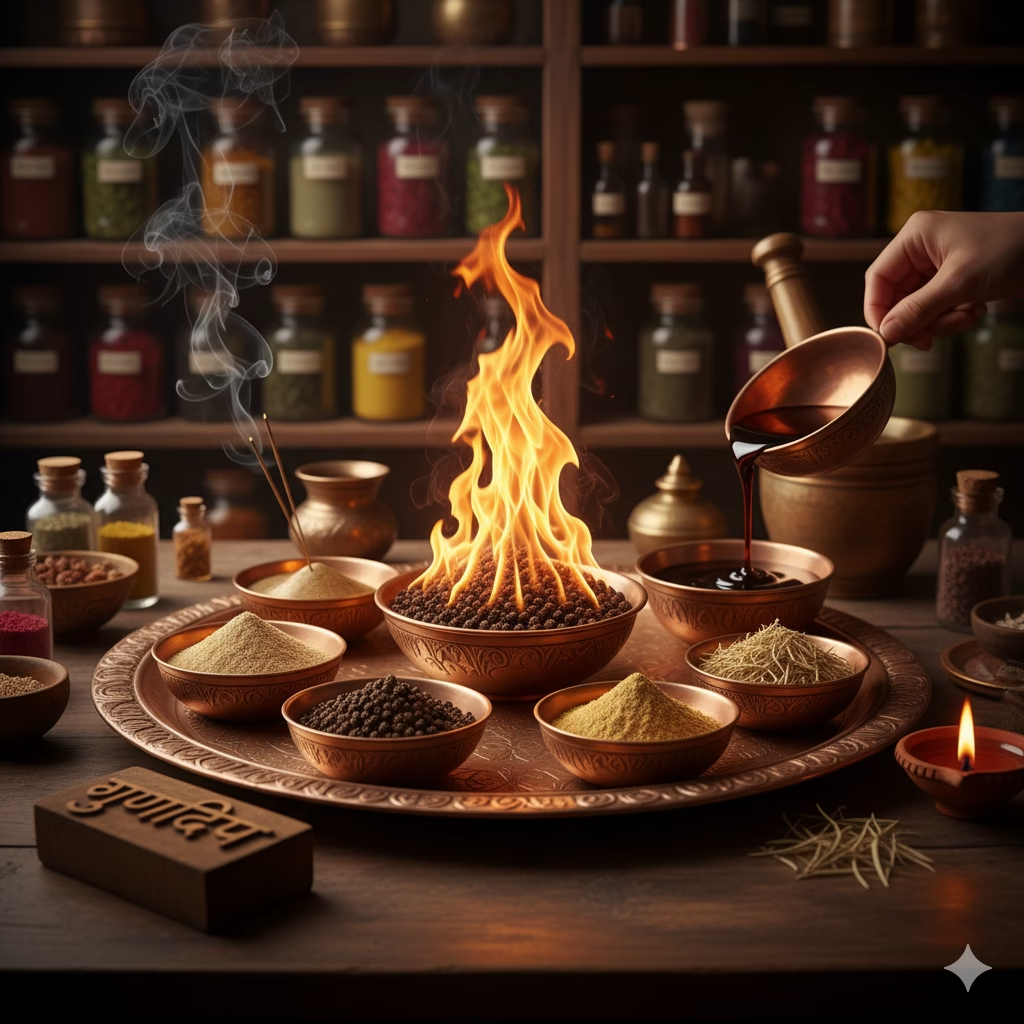
3. Characteristics of Pitta-Dominant Individuals
Individuals with Pitta Prakriti (constitution) exhibit a dynamic blend of fire and determination. Physically, they have:
- Medium build and moderate weight
- Warm body temperature and soft skin
- Sharp appetite and strong digestion (Tikshnagni)
- Reddish or fair complexion with a tendency toward freckles or acne
- Lustrous eyes with a penetrating gaze
Mentally, they are intelligent, decisive, and ambitious, with excellent leadership and organizational abilities.
Their emotional tendencies, however, lean toward impatience, irritability, and perfectionism.
Pitta types thrive in environments that allow discipline and creativity, yet they must guard against overexertion and excessive competitiveness — traits that can stoke their inner fire beyond control.
4. Causes and Symptoms of Pitta Imbalance
When the fire element (Agni) burns too brightly, it leads to an excess of Pitta. Common causes include:
- Consuming spicy, fried, or sour foods
- Exposure to hot climates or midday sun
- Overworking, skipping meals, or insufficient sleep
- Emotional triggers such as anger, jealousy, or frustration
- Excessive use of stimulants like caffeine and alcohol
Physical signs of aggravated Pitta:
- Acid reflux, ulcers, or excessive hunger
- Burning sensations, heat rashes, and redness of skin
- Premature graying or hair thinning
- High blood pressure or inflammation
Mental and emotional signs:
- Irritability, judgmental thinking, or short temper
- Over-analysis, control issues, and workaholism
- Restlessness, insomnia, or self-criticism
Conversely, a low or depleted Pitta results in sluggish digestion, poor circulation, and lack of enthusiasm.
Ayurveda teaches that balance is restored through opposing qualities — cooling, calming, and nurturing energies counteract fiery excess.
To learn in detail about pitta symptoms on skin you can click here.
5. Ayurvedic Principles to Balance Pitta Dosha
Balancing Pitta involves applying the Ayurvedic law of opposites:
“Dravyaguna Siddhanta” — like increases like; opposites bring balance.
Since Pitta is hot, sharp, and intense, it is pacified by cool, gentle, and stabilizing influences.
Key Lifestyle Guidelines
- Avoid overheating: Stay out of direct sun during midday.
- Create mental calmness: Practice forgiveness, avoid arguments, and meditate regularly.
- Follow a regular routine: Eat and sleep at consistent times.
- Favor cooling environments: Sea breeze, moonlight walks, and calm surroundings soothe Pitta.
- Use cooling oils: Coconut, sandalwood, or sunflower oil for Abhyanga (self-massage).
Ayurvedic Daily Routine (Dinacharya) for Pitta
| Time | Practice | Purpose |
|---|---|---|
| Morning | Drink cool water, practice gentle yoga | Hydration & calm start |
| Noon | Main meal (largest of the day) | Supports strong midday digestion |
| Evening | Meditation, light dinner, cooling tea | Promotes emotional stability |
| Night | Sleep before 10 p.m. | Prevents Pitta aggravation in night hours |
6. The Ideal Pitta-Balancing Diet
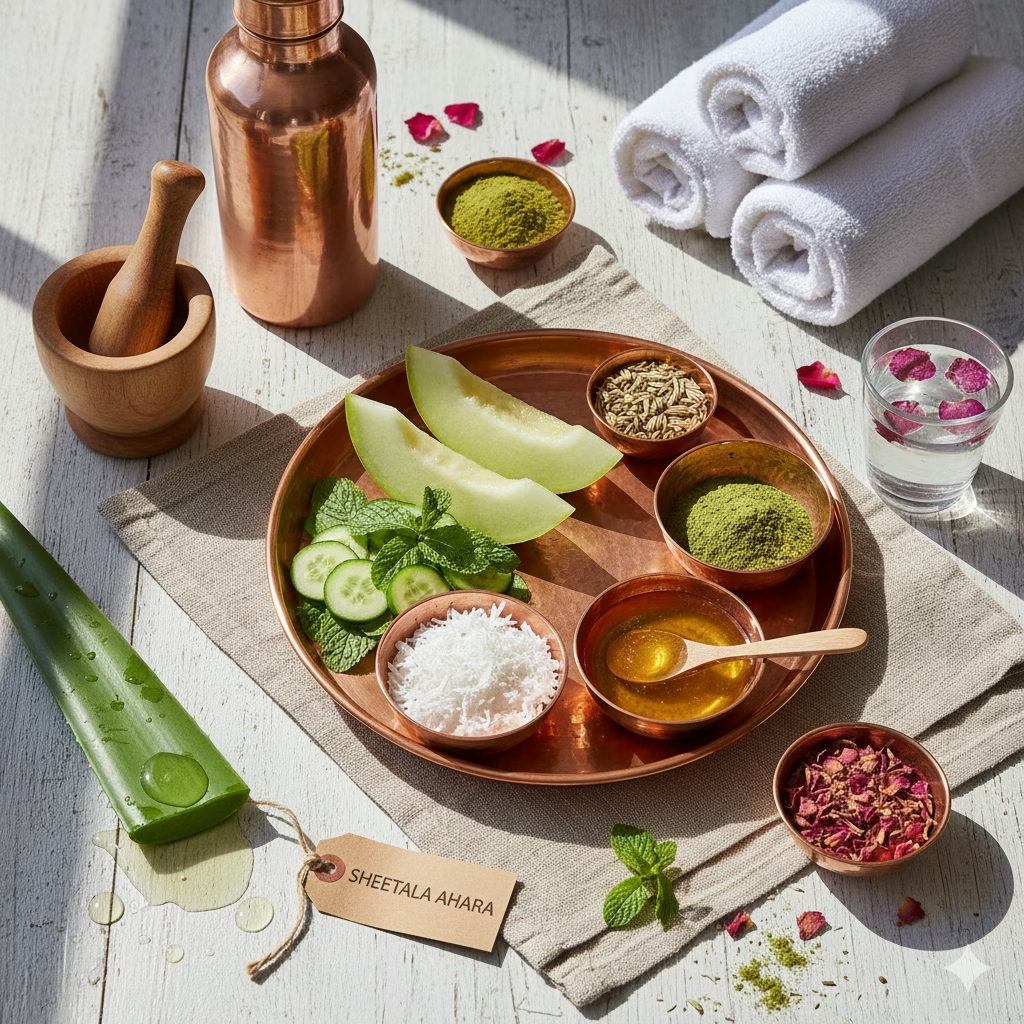
Diet (Ahara) is the cornerstone of Pitta regulation. The Charaka Samhita recommends “Sheetala Ahara” (cooling foods) to neutralize excess heat.
Favorable Foods
- Grains: Rice, barley, oats, and wheat
- Fruits: Sweet varieties like melons, pears, mangoes, and grapes
- Vegetables: Leafy greens, cucumber, zucchini, asparagus, and broccoli
- Dairy: Ghee, milk, and paneer in moderation
- Spices: Coriander, fennel, turmeric, cardamom, and mint
Foods to Avoid
- Spicy foods: Chili, garlic, onion, and black pepper
- Sour and fermented items: Pickles, vinegar, yogurt
- Salty or fried foods: Chips, fast food, or deep-fried snacks
- Stimulants: Coffee, alcohol, and tobacco
General Tips:
- Eat in a calm environment, never while angry or rushed.
- Avoid skipping meals; maintain regular eating times.
- Include rose water, coconut water, or aloe vera juice to cool the body.
A Pitta-balancing diet nourishes not only the body but also the emotional self, fostering patience and contentment.
7. Yoga and Meditation for Pitta Regulation
Pitta’s intensity benefits from slow, grounding yoga that releases stored heat and tension. The aim is to cool the body and calm the mind, not to compete or strive for perfection.
Recommended Yoga Asanas
- Child’s Pose (Balasana) – Calms the mind and releases lower back tension
- Seated Forward Bend (Paschimottanasana) – Soothes the nervous system
- Crescent Moon Pose (Anjaneyasana) – Balances digestive energy
- Reclined Butterfly (Supta Baddha Konasana) – Opens the heart center
Pranayama (Breathing Practices)
- Sheetali and Sheetkari – Cooling breaths that reduce body heat
- Nadi Shodhana – Harmonizes both brain hemispheres and emotional equilibrium
Meditation on compassion (Karuna Bhavana) and visualization of moonlight or water flow are particularly beneficial for Pitta personalities.
8. Herbal Remedies and Therapies for Pitta
Ayurveda offers a vast pharmacopeia of herbs to pacify Pitta. These remedies work by cooling the system, detoxifying the liver, and calming the mind.
Key Herbs
| Herb | Sanskrit Name | Benefit |
|---|---|---|
| Aloe vera | Kumari | Cools the digestive tract, soothes skin |
| Anantmul | Indian Sarsaparilla | Purifies blood and relieves heat |
| Shatavari | Asparagus racemosus | Balances hormones and emotions |
| Brahmi | Bacopa monnieri | Enhances clarity and reduces stress |
| Neem | Azadirachta indica | Detoxifies and reduces inflammation |
Therapies
- Abhyanga (Oil Massage) – Daily self-massage with coconut oil calms excess heat.
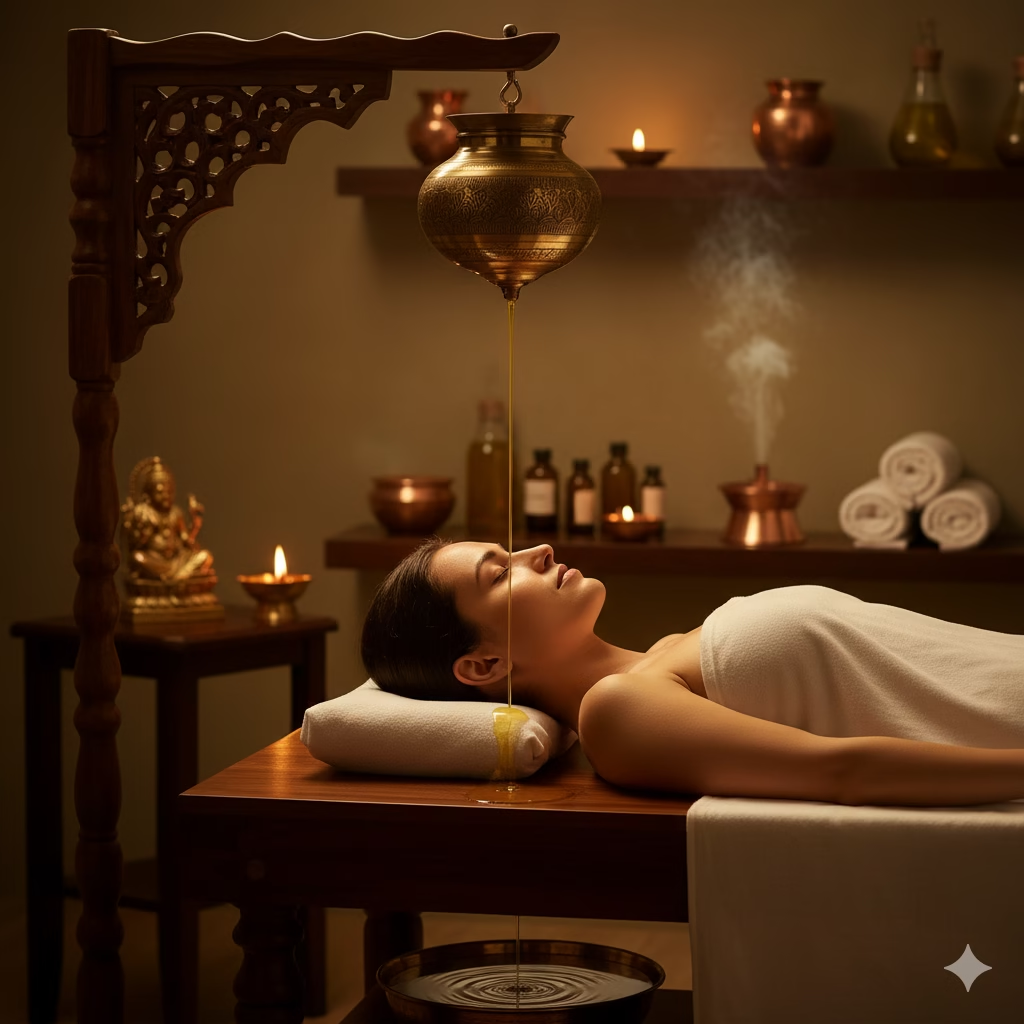
- Shirodhara – A steady stream of cool oil poured on the forehead; deeply soothing for the nervous system.
- Takra Dhara – Buttermilk therapy to relieve skin and stress-related disorders.
- Panchakarma Detox – Supervised cleansing that includes Virechana (purgation), ideal for Pitta elimination.
These treatments must always be customized under the supervision of a qualified Ayurvedic physician.
9. Emotional and Spiritual Healing for Pitta Dosha
Ayurveda recognizes that true health includes emotional and spiritual harmony. Pitta imbalance often originates in suppressed anger, overcontrol, or a fear of failure.
Practices for Emotional Balance
- Cultivate forgiveness and patience through reflective journaling.
- Engage in cooling activities — art, music, or nature walks near water.
- Avoid overstimulation, digital overload, and intense competition.
- Practice gratitude meditation to soften the sharpness of ego.
Spiritually, when Pitta is balanced, it transforms into Tejas — the pure, radiant light of awareness. Tejas manifests as wisdom, compassion, and the ability to guide others without dominance.
10. FAQs About Pitta Dosha
1. How do I know if my Pitta is aggravated?
Look for physical signs like acidity, skin redness, or excessive sweating, and mental signs like irritability or over-analysis.
2. Can Pitta types enjoy spicy food occasionally?
Yes, but balance it with cooling accompaniments like coconut, coriander, or mint chutneys.
3. What is the best season for Pitta management?
Summer (Grishma Ritu) is when Pitta accumulates; adopt cooling foods and rest during this period.
4. Are Pitta people prone to burnout?
Yes, due to their high drive and perfectionism. Regular relaxation and self-compassion are essential.
5. How often should Pitta individuals detoxify?
Mild seasonal detox (Virechana Karma) once or twice a year under professional guidance is ideal.
6. Which crystals or aromatherapy oils suit Pitta?
Moonstone, aquamarine, sandalwood, and rose all promote emotional cooling and harmony.
Conclusion: The Wisdom of Fire in Balance
The journey of balancing Pitta Dosha is the art of mastering fire — the same energy that fuels digestion, passion, and intellect can also destroy when uncontrolled.
Ayurveda invites you to channel this fire wisely: through nourishing foods, compassionate thoughts, mindful rest, and gentle discipline.
When Pitta is balanced, life flows with clarity, vitality, and inner brilliance — the true essence of holistic health as envisioned by the ancient sages.
To learn more about pitta dosha and pitta kosha refer the article Pitta Kosha in English: Powerful Meaning & Deep Insights.